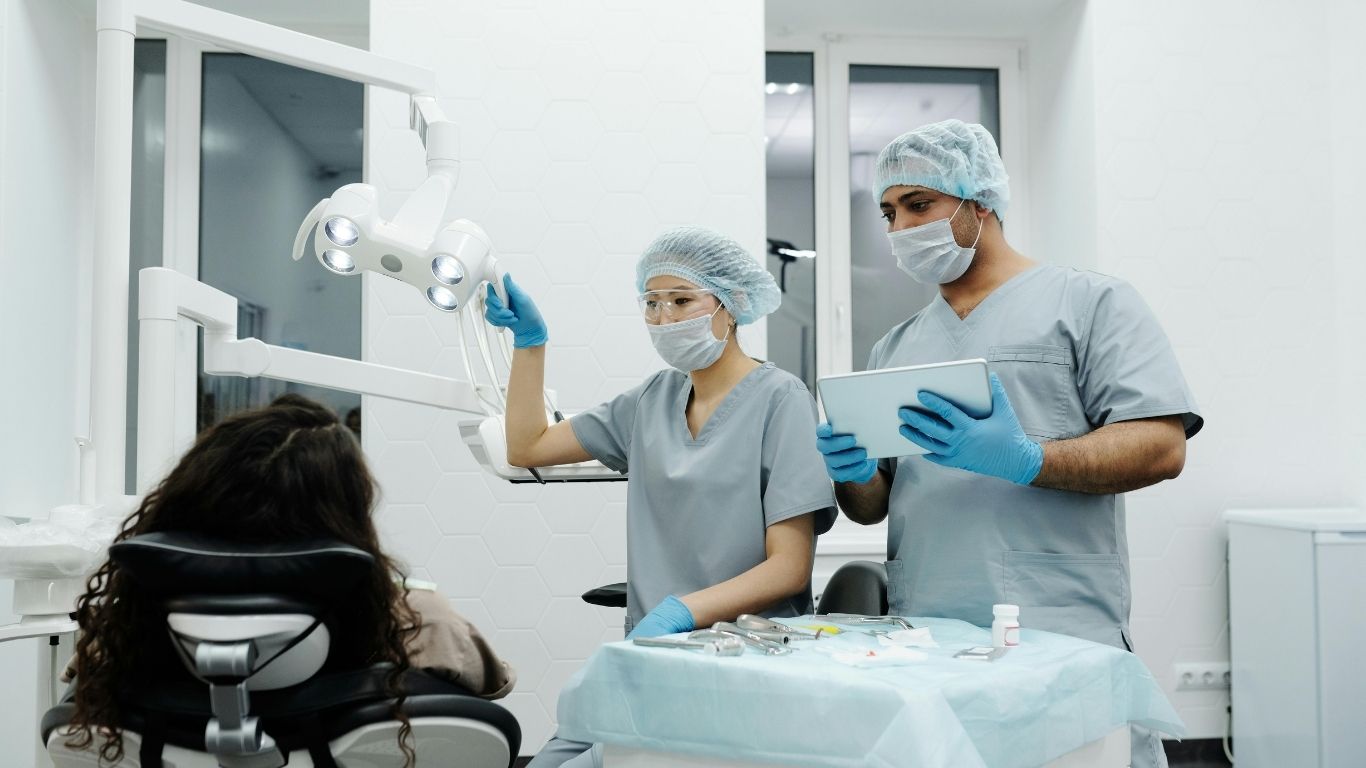
A clear, simple guide to knowing when to act fast and where to go
Dental problems don’t always happen during office hours. A sudden toothache at night, a chipped tooth from an accident, or swelling that won’t go down can leave you confused and worried. Many people ask the same questions in these moments: What is a dental emergency? What is considered a dental emergency? Where should I go for dental emergency care?
This blog answers those questions in plain language. We’ll walk through the top 5 most common dental emergencies, what to do right away, and when to seek emergency dental care. Knowing this can save your tooth, reduce pain, and prevent serious complications.
WHAT IS A DENTAL EMERGENCY?
A dental emergency is any oral health problem that needs immediate attention to stop pain, bleeding, infection, or permanent damage to your teeth or gums.
So, what is considered a dental emergency? In simple terms, it usually includes:
- Severe pain that doesn’t go away
- Bleeding that won’t stop
- Swelling of the face or gums
- Trauma to the mouth or teeth
- Signs of infection, such as pus or fever
Not every dental issue is an emergency, but when pain is intense or symptoms worsen quickly, it’s best not to wait.
1. SEVERE TOOTH
A bad toothache is considered to be among the most frequent causes for visiting an urgent care dentist.
Why it’s an Emergency
Serious or chronic pain in the tooth indicates:
- Deep and severe tooth decay
- An Infected nerve
- A dental abscess
- Cracked or broken tooth
If neglected, the infection may progress to the jaw area, face, and even the entire body.
What to do right away
- Rinse your mouth with warmed saltwater
- Careful flossing to remove any food that
- Do not place aspirin on the tooth
- Apply the cold compress to the outside of the cheek
If the pain persists for more than a few hours or becomes too much, you need to go to a dental clinic for emergency relief.
2. AVULSED TOOTH (KNOCK- OUT TOOTH)
Knocked out tooth situation can be termed a real dental emergency, commonly resulting from sports injuries, falls, or accidents.
Why it’s an Emergency
In most cases, if the permanent tooth is addressed rapidly, usually within 30 minutes up to an hour, it might be saved.
What to do right away
- Hold the tooth by the crown (not the root)
- Rinse with water if it’s dirty (do not rub)
- Try to put it back into the socket, if possible.
- If not, keep it in milk or saliva
- Seek immediate access to emergency dental facilities
Acting fast can make a huge difference in the process of saving the tooth.
3. BROKEN, CRACKED, OR CHIPPED TOOTH
Not every chipped tooth is an emergency, but larger breaks or cracks often are.
Why it’s an emergency
A damaged tooth may result in exposed nerves, pain, or infection. Cracks in teeth may also advance in severity if not treated.
What to do immediately
- Wash mouth with warm water
- Save any broken pieces if possible.
- Applying a cold compress to the swelling will
- Do not chew on that side
The dentist would then determine whether the tooth needs bonding, a crown, or additional care.
4. DENTAL ABSCESS OR SWELLING
An abscess is essentially an infection ‘pocket’, often found near the root of a tooth or in gum tissue
Why it’s an emergency
If abscesses are not treated promptly, complications can arise. The abscess infections can spread to the jaw area or neck. They can also enter the bloodstream
Signs include:
- Severe, throbbing pain
- Swollen face or gums
- Pus or bad taste in the mouth
- Fever or feeling unwell
What to do immediately
- Rinse in light salted water
- Do not attempt to drain the abscess
- Seek emergency dental care immediately
This condition should never be ignored.
5. UNCONTROLLED BLEEDING OR GUM INJURY
Bleeding after dental surgery can be normal for a short time, but excessive or ongoing bleeding is not.
Why it’s an emergency
Uncontrolled bleeding can signal:
- Gum injury
- Trauma to the mouth
- A complication after extraction
What to do immediately
- Apply gentle pressure with clean gauze
- Sit upright and avoid lying flat
- Avoid rinsing aggressively
If bleeding continues beyond 20–30 minutes, visit a dental clinic for emergency care.
Also Read: Most Common Dental Treatment Procedures
WHERE TO GO FOR DENTAL EMERGENCY CARE?
There is a question that is often asked: where should one go for dental emergency care?
The most appropriate option would be a dental clinic that provides emergency care. The emergency rooms would be able to address any pain and/or swelling, but they do not necessarily address any dental issues directly.
As soon as you experience urgent pain or discomfort, a trusted dentist in Millwoods, Edmonton, can provide you with instant relief and proper assistance without delay.
WHAT IS NOT USUALLY A DENTAL EMERGENCY?
There are some problems that can normally wait and can be addressed in the regular dental appointments:
- Some issues can usually wait
- Minor tooth sensitivity
- Small chips that do not hurt
- Lost fillings without any discomfort
- Mild gum irritation
But if it’s questionable, it’s always best to connect with a dental expert for proper advice.
HOW TO REDUCE THE RISK OF DENTAL EMERGENCIES
Unfortunately, not all emergencies can be prevented, but certain habits can protect you from most of them:
- Brush and floss daily
- Regular visits to your dentist
- Wear a mouth guard during sports activities
- Do not chew ice or hard materials
- Early treatment of dental issues
Prevention is always easier than emergency treatment.
CONCLUSION
So, what are the top 5 most common dental emergencies? Severe toothaches, knocked-out teeth, broken or cracked teeth, dental abscesses, and uncontrolled bleeding are the situations that need immediate attention.
Understanding what is a dental emergency and knowing where to go for dental emergency care can protect your health and your smile. When pain or damage strikes suddenly, quick action matters.
If you ever face a dental emergency, don’t wait. Reach out to a reliable dentist in Millwoods Edmonton, to get timely, professional care and peace of mind.
Related Article: How to Handle Dental Emergencies