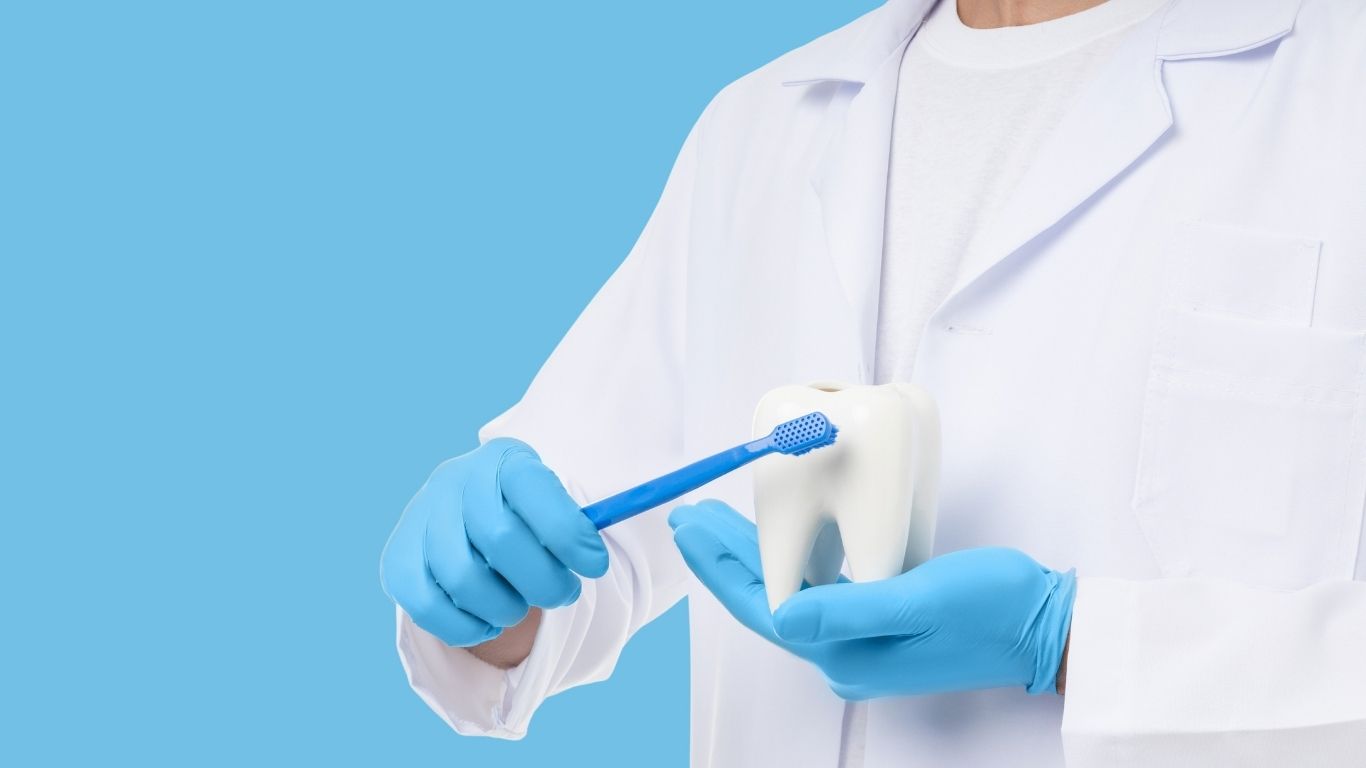
A simple guide to better brushing, healthier teeth, and stronger gums
We brush our teeth daily, but most of us do not give a second thought to the toothbrush that we are using every day. Of course, we are more focused towards the toothpaste, the time we brush, and methods to maintain strong teeth while brushing. However, not many of us tend to ask ourselves the following question: When is the time to change your toothbrush?
The use of a toothbrush that is no longer new and with a worn-out brush can appear to be of no consequence and harmless. In reality, the bristles become frayed, and bacteria can collect on them. In today’s blog, we will break down when to replace a toothbrush and its significance.
The Short Answer: How Often Should You Change Your Toothbrush?
In most cases, dentists usually suggest that you replace your toothbrush after 3 to 4 months.
If you brush your teeth twice in one day, this period is enough to keep your toothbrush effective and clean. The bristles in toothbrushes will eventually lose their shape and firmness with time and become ineffective for removing plaque.
So if you’re wondering:
- How often to change toothbrush? → Every 3–4 months
- How long to change toothbrush? → Don’t wait longer than 4 months
This applies to both manual and electric toothbrush heads.
Why Changing Your Toothbrush Matters
Your toothbrush works hard every day. With constant use, it slowly becomes less effective. Even if it still looks fine, it may hold bacteria, the brittles may be hard and harmful to your gums.
Here’s why regular replacement is important:
Worn bristles don’t do their job well
Toothbrushes are designed to clean your teeth and remove plaque effectively. With time, as the bristles wear out, frayed or bent bristles do not reach plaque around the gumline or between teeth. This increases the risk of cavities and gum disease.
Old toothbrushes hold bacteria
Toothbrushes are exposed to moisture, saliva, and bacteria on a daily basis, increasing the chances for germ buildup. Over time, microbes can build up, especially if the brush is not stored properly.
Gum health can suffer
Using worn bristles may irritate gums or encourage plaque buildup along the gumline, leading to inflammation and bleeding.
If your goal is to keep your teeth and gums healthy, changing your toothbrush regularly is a simple but powerful habit.
Also Read: How Often Should You Go to the Dentist?
Signs It's Time to Change Your Toothbrush
Sometimes, your toothbrush needs replacing before the 3-month mark. Here are clear signs to watch for:
- Bristles are bent, frayed, or spreading outward
- The brush feels rough or ineffective
- You’ve been sick recently
- The colour indicator, which is now present in several innovative tooth brushes, has faded
- Your mouth doesn’t feel as clean after brushing
If you notice any of these, don’t wait. This is your answer to the common question: when should we change toothbrush? As soon as it stops doing its job properly.
Change Your Toothbrush After Illness
If you’ve had a cold, flu, sore throat, or any infection, it’s a good idea to replace your toothbrush once you recover. Germs can linger on the bristles and increase the chance of reinfection.
This is one of the most overlooked but important answers to when to change a toothbrush.
What about Electric Toothbrushes?
Electric toothbrushes are great for cleaning, but their heads still wear out.
- Replace electric toothbrush heads every 3 months
- Sooner if bristles are bent or faded
- Follow manufacturer guidelines if different
The rule of thumb remains the same: worn bristles = less effective cleaning.
How to Make Your Toothbrush Last with Safety
While you shouldn’t stretch its lifespan too far, these tips help keep your toothbrush cleaner between replacements:
- Rinse thoroughly after each use
- Store upright and let it air-dry
- Avoid covering it while wet
- Don’t share toothbrushes
- Keep it away from the toilet area
Good storage doesn’t replace regular changes, but it reduces bacterial buildup.
Toothbrush Replacement for Children
Children’s toothbrushes wear out faster because kids often brush harder or chew on the bristles. Parents should check brushes regularly.
General tips:
- Replace children’s toothbrushes every 2–3 months
- Replace immediately if bristles spread out
- Use age-appropriate brush sizes
Teaching kids how often to change toothbrush early builds strong oral hygiene habits.
Does Toothbrush Type Matter?
Yes, different toothbrushes wear differently:
- Soft-bristle brushes: Best for gums, but may wear faster
- Medium or hard bristles: Last slightly longer but can damage gums
- Eco-friendly bamboo brushes: Follow the manufacturer’s replacement advice
Dentists usually recommend soft-bristle toothbrushes and regular replacement rather than harder bristles.
Why Dentists Care So Much About This
Most of us brush twice a day and take care of our oral health, yet still struggle with cavities or gum issues. The answer can be as simple as an old toothbrush that simply isn’t cleaning effectively anymore or holds more bacteria than you can imagine.
If you’re unsure whether your brushing routine is working for you or when to replace your brush, visiting the best Edmonton dentist can be the next ideal step. A dental professional can help you get personalized advice and keep your oral health on track.
Simple Reminder Tip
Here’s an easy way to remember:
- Change your toothbrush when the seasons change
- Or set a phone reminder every 3 months
- Or replace it when you buy a new toothpaste tube
Small reminders make a big difference.
Conclusion: So, How Often Should You Change Your Toothbrush?
To answer the question clearly, the ideal time to change your toothbrush is every 3 to 4 months. This can also be sooner if the bristles are worn, you’ve been sick, or the brush is not cleaning effectively anymore.
Using a new toothbrush will help you remove plaque more effectively, keep your gums healthy, and maintain healthy oral hygiene. Changing toothbrushes on a timely basis is extremely crucial to achieve a healthy lifestyle. Although it is a small practice, it is a crucial factor for a healthy smile with stronger gums.
However, if you ever find yourself wondering about your dental care practice, it’s always great to visit the best Edmonton dentist for assurance of your effective dental care practice.
Related Article: 5 Tips for Maintaining a Healthy Smile