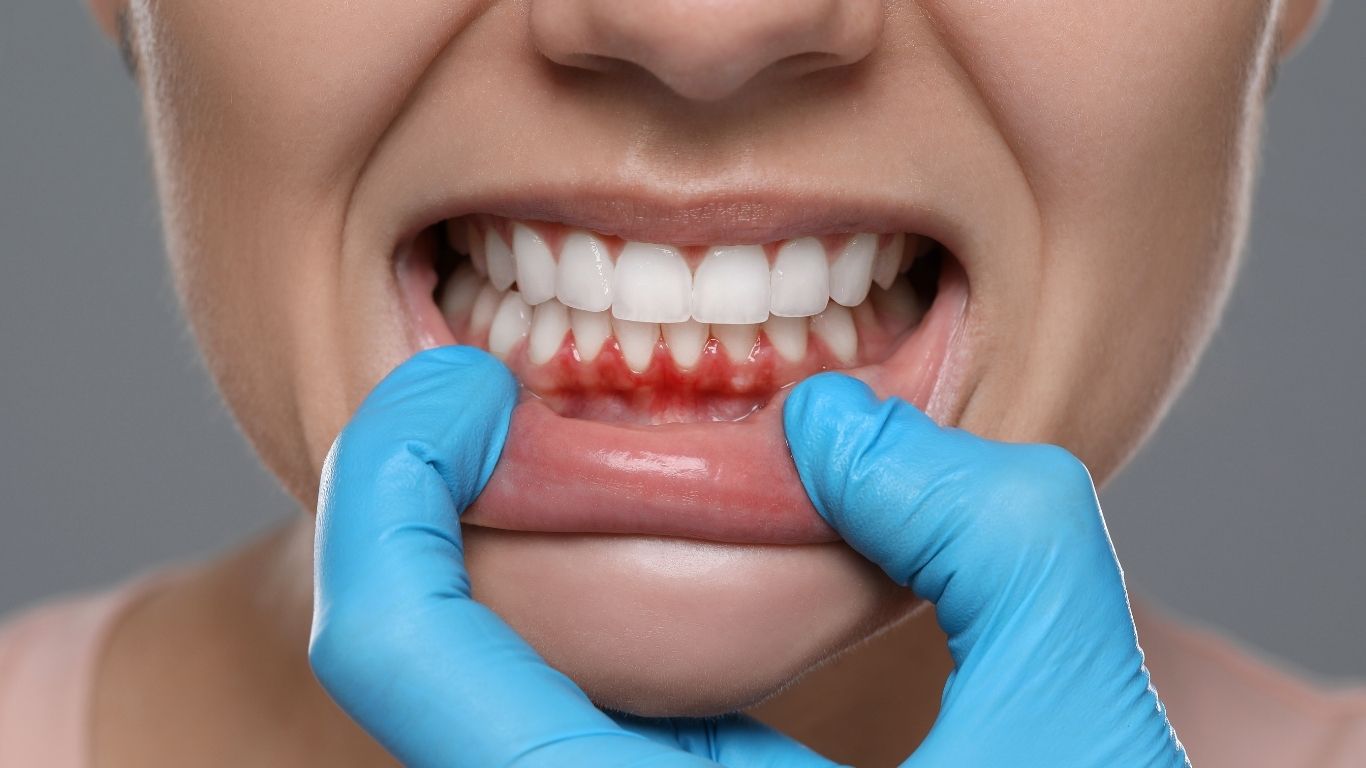
Ways to Keep Your Gums Healthy
When people think about oral health, they often focus only on teeth, but oral health is not limited to that. To improve your overall oral health, it is important that you take care of your gums. Healthy gums are just as important. Your gums support your teeth, protect the roots, and act as a barrier against bacteria. Not paying attention to your gum health can lead to bleeding gums, bad breath, gum disease, and even tooth loss.
The good news? If you want to learn how to take care of your gums, this blog is all you need. Remember, you do not require expensive products or a complicated routine to improve your gum health. With the right and easy habits, you can keep your gums healthy naturally and protect your smile for years to come.
Why Gum Health Matters More Than You Think
Your gums are living tissue. When plaque builds up along the gumline, it can irritate the gums and result in inflammation. This early stage is called gingivitis. If left untreated, this condition can slowly progress into periodontitis, a much more serious condition that damages bone and can result in loosening teeth.
Healthy gums should be:
- Pink, they should not be red or swollen
- Firm and not puffy
- Healthy gums are from bleeding when brushing or flossing
Taking care of your gums is also beneficial for overall health. Several studies published by reputable health organisation, has linked gum disease with conditions like heart disease, diabetes, and even pregnancy complications. That is why knowing how to keep your gums healthy is essential.
Brush Gently, Remember Not Aggressively
Brushing twice a day is the foundation of how to take care of your teeth and gums, but technique matters.
Use a soft-bristled toothbrush and gentle pressure. Brushing too hard can harm the gum tissues, damage, and cause recession, exposing sensitive tooth roots. Angle the brush slightly toward the gumline and use small circular motions to remove plaque.
Key tips:
- Brush for two full minutes
- Don’t scrub back and forth
- Replace your toothbrush every 3 to 4 months
Gentle, consistent brushing keeps your gums clean without harming them.
Also Read: How Often Should You Change Your Toothbrush?
Floss Daily to Protect Your Gums
If you want to know how to keep your teeth and gums healthy, flossing is something you should never miss. Plaque and food particles often get trapped between teeth where toothbrushes cannot reach. This is often where gum disease starts.
Floss once a day, ideally before bedtime. Slide the floss gently along the side of each tooth and slightly below the gumline. If traditional floss is difficult, interdental brushes or water flossers are good alternatives.
Healthy gums don’t bleed regularly. If your gums bleed when you start flossing, don’t stop. Bleeding usually improves as inflammation decreases.
Use Mouthwash Wisely
An alcohol-free antibacterial or fluoride mouthwash can help reduce bacteria and can strengthen teeth. Mouthwash supports gum health but should never replace brushing and flossing.
If you’re dealing with early gum issues, your dentist may recommend a specific therapeutic mouthwash to control bacteria and inflammation.
Eat Foods That Support Healthy Gums
What you eat plays a big role in how to keep your gums healthy naturally.
To keep your gums healthy naturally focus on:
- Crunchy fruits and vegetables including apples, carrots and celery
- Leafy greens rich in vitamins
- Dairy products with calcium
- Foods high in vitamin C like oranges, kiwi and strawberries
Limit sugary snacks and acidic drinks, which feed bacteria and irritate gums. Drinking water after meals helps wash away debris and supports saliva production, your mouth’s natural defence system.
Quit Smoking and Limit Alcohol
Smoking is one of the biggest risk factors for gum disease. Smoking can ruin your oral health impacting both gums and teeth. It reduces blood flow to the gums, slows down the healing process, and hides early warning signs like bleeding.
If you smoke or use tobacco, dental healthcare experts advise you to stop now. Ending this unhealthy habit is one of the best things you can do for your gums and also your overall health. It is also important to limit alcohol as it helps in maintaining a healthy oral environment.
Watch for Early Warning Signs
Knowing how to take care of your gums also means knowing when something isn’t right. Pay attention to:
- Bleeding while brushing or flossing
- Swollen or tender gums
- Persistent bad breath
- Receding gums
- Loose teeth
Catching gum problems early makes treatment simpler and more effective.
Visit Your Dentist Regularly
No home routine is complete without professional care. Regular dental checkups are necessary for the timely diagnosis of plaque and other gum discomforts. Tartar cannot be removed by brushing alone; it needs medical attention.
If you are looking for trusted care, booking an appointment with a dentist in Millwoods Edmonton residents rely on can help you maintain long-term gum and tooth health through professional cleanings and personalized advice.
Read More: How Often Should You Go to the Dentist?
A Simple Daily Gum-care Routine
Here is an easy routine that you can stick to look after your gums:
- Brush twice daily with a soft toothbrush
- Floss once a day
- Rinse your mouth with water after meals
- Use mouthwash after your meals
- Stay hydrated and drink plenty of water
- Schedule regular dental visits
Be consistent, as consistency matters more than perfection.
Conclusion: How to Take Care of Your Gums
So, how to keep your gums healthy naturally? The answer is simple, stay consistent and follow a routine that is easy and effective. Start by gently brushing twice a day, floss daily, make smart food choices, avoiding tobacco, and regular dental checkups. Gums do not get healthy overnight, it takes time. With these healthy habits, you can keep your gums strong, pain-free, and supportive of a healthy smile.
Taking care of your gums is really about taking care of your whole mouth and your overall health. Start small, stay consistent, and don’t hesitate to seek professional help when needed.
Related Article: What to Expect at First Dentist Appointment