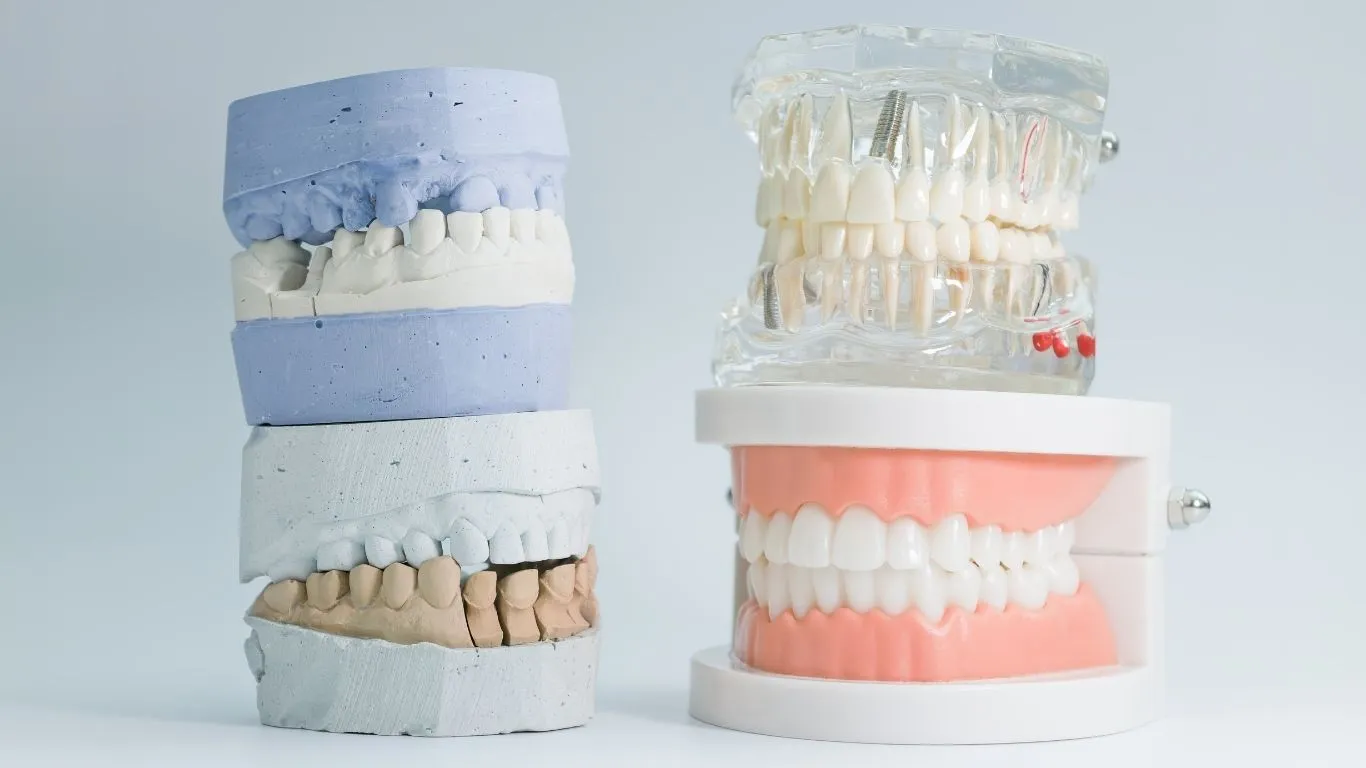
A simple guide to implant options, how they differ, and how to choose the right one
If you’ve lost a tooth or more teeth, dental implants are often the most natural, long-lasting way to replace them. But “dental implant” is not one-size-fits-all. There are several types and techniques of implants. But the best choice for each individual depends on their mouth, bone, budget and goals. This blog explains the main implant types in plain language and helps you understand which one might suit you best.
What is a dental implant?
A dental implant is an artificial root, which is usually a titanium screw, and that is placed into the jawbone to hold a prosthetic tooth (a crown), bridge or denture. The bone fuses to the implant in a process called osseointegration, creating a stable, long-term foundation.
The main types of dental implants
- Endosteal (endosseous) implants — the most common choice
Endosteal implants are placed directly into the jawbone and are the standard option for most patients. They look like small screws, cylinders or plates and are used to support single crowns, bridges or implant-retained dentures. They’re favoured because of a high success rate and predictable outcomes for people with adequate bone.
Who they suit: Most adults with healthy jawbone who want a permanent tooth replacement.
- Subperiosteal implants — for low bone height without grafting
Subperiosteal implants rest on top of the bone but beneath the gum. For patients who have insufficient bone and do not want to undergo bone grafting, these implants had been indicated. Though less frequently used today, they are still an option for selected cases.
Who they suit: People suffering from moderate bone loss, who either can’t or do not want to go through bone grafting.
- Zygomatic implants — for severe upper-jaw bone loss
Zygomatic implants are longer and anchor into the zygoma, or cheek, bone instead of the upper jaw. They are used in more complex cases where it is not possible to fit a regular implant in the upper jaw because there is too little bone and when bone grafting is unsuitable. This is considered a specialist procedure undertaken by very experienced implant surgeons.
Who they suit: Patients with extreme bone loss in the upper jaw who desire to have fixed teeth without going through numerous grafting surgeries.
- Mini implants — less invasive, for certain situations
Mini dental implants are smaller in diameter than standard implants. They’re sometimes used to stabilise dentures or when space is limited. Mini implants can be quicker and less invasive but may not be suitable for long-term single-tooth restorations in high-bite areas.
Who they suit: Denture wearers needing extra retention or patients with narrow spaces where a full-size implant won’t fit.
- All-on-4 / immediate-load systems — “teeth in a day” approaches
All-on-4 and similar techniques use a small number of strategically placed implants to support a full-arch fixed prosthesis. They often let patients leave the clinic with temporary fixed teeth on the same day. They can be efficient for full-mouth replacement but require careful planning and follow-up.
Who they suit: People needing full-arch rehabilitation who prefer fewer implants and faster provisional results.
Also Read: How to Keep Your Teeth Healthy
Which implant is “best”? Key factors to consider
There’s no single “best” implant for everyone. Your dentist or implant surgeon will consider:
- Bone volume and quality – Sufficient healthy bone tissue generally implies the use of endosteal implants; inadequate bone tissue may suggest grafts or subperiosteal or zygomatic implants.
- Overall health history – Issues like uncontrolled diabetes or smoking heavily will impact healing as well as success.
- Number of missing teeth- A single tooth, several teeth, or an entire arch affects the design.
- Budget and time frame – Some alternatives will require multiple surgeries, while others can be done within a reduced time frame.
- Aesthetic and functional considerations- Design considerations for front teeth differ, and back teeth demand strong bearing designs.
Risks and aftercare
Dental implants have high success rates but are not risk-free. Possible complications include infection, nerve irritation, sinus problems linked to upper jaw, or implant failure. Good oral hygiene, quitting smoking, and attending follow-up visits all increase the chance of long-term success. Your dentist should explain risks and alternatives before treatment.
How to decide
- Proper assessment: 3D scan (CBCT) and X-ray allow the surgeon to use the bone map provided.
- Explore all options: Endosteal vs other methods, grafting required, timeline, and pricing, and warranties.
- Receive treatment by an experienced team: Implant surgery should be carried out by an experienced implant dentist or team knowledgeable about the particular technique that will be followed.
- Maintenance plan: Dental implants have a permanent maintenance routine, including dental visits and strong home hygiene practices.
Conclusion
The “best” implant depends on your mouth, health, budget and goals. For most people with adequate bone, endosteal implants are the gold standard. For patients with bone loss, choices include bone grafting + endosteal implants, subperiosteal implants, zygomatic implants or All-on-4 solutions. A careful assessment by an implant dentist will identify the safest, most predictable option for your situation.
If you’re in Edmonton and want an expert assessment, book a consultation at Mainstreet Dental Clinic in Edmonton, We can organise scans, explain your options, and recommend the right implant journey for you.
Must read: Canadian Dental Association Recommendations