All About Dental Crowns : When Do You Need Them?
Dental health plays a crucial role in maintaining overall well-being. Sometimes a tooth becomes too weak, damaged, or decayed to function properly on its own. In such situations, dentists often recommend a dental crown. Understanding what is a dental crown and when is it needed can help you make informed decisions about your oral health and prevent further complications.
What Is a Dental Crown and When Is It Needed?
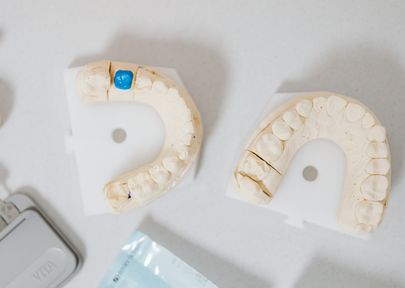
A dental crown is a custom-made cap placed over a damaged or weakened tooth. It covers the entire visible portion of the tooth above the gum line, restoring its shape, size, strength, and appearance. Crowns are designed to function just like natural teeth, allowing you to chew and speak normally.
Dentists usually recommend crowns in several situations. For example, a crown may be necessary if a tooth has a large cavity that cannot be repaired with a simple filling. It is also commonly used after a root canal treatment to protect the weakened tooth structure. Additionally, crowns help restore cracked, worn-down, or broken teeth.
Understanding what is a dental crown and when is it needed is important because delaying treatment can lead to further damage, infection, or even tooth loss.
How Do You Know If You Need a Dental Crown?
Many patients wonder how do you know if you need a dental crown. While only a dentist can make the final recommendation, there are several signs that may indicate the need for one.
You may need a dental crown if you experience persistent tooth pain while chewing or biting. Visible cracks, severe tooth wear, or a broken tooth are also common reasons. Teeth that have undergone large fillings often become fragile over time, making crowns necessary to protect them.
Discoloration or misshapen teeth can also be treated with crowns for cosmetic improvement. If your dentist notices that a tooth structure is too weak to support a filling or bonding, they may suggest placing a crown to restore strength and durability.
Dental Crown Procedure Step by Step
Patients often feel more comfortable when they understand the dental crown procedure step by step before undergoing treatment.
The process usually begins with a dental examination and X-rays. This allows the dentist to evaluate the condition of the tooth and determine if a crown is the best solution. If the tooth has decay, it will be cleaned and prepared before the crown placement.
Next, the dentist reshapes the tooth by removing a small amount of enamel. This step ensures the crown will fit properly over the tooth. After reshaping, an impression or digital scan of the tooth is taken to create a custom crown that matches your bite and neighboring teeth.
While the permanent crown is being fabricated in a dental lab, a temporary crown is placed to protect the tooth. Once the permanent crown is ready, the dentist removes the temporary one and carefully cements the new crown into place. The final step includes checking the bite and making small adjustments if needed.
Also read: Canadian Dental Association Recommendations
Types of Dental Crowns and Their Benefits
There are several types of dental crowns and their benefits, and your dentist will recommend the best option based on your needs.
Porcelain crowns are popular because they closely resemble natural teeth and provide excellent aesthetics. Ceramic crowns also offer a natural appearance and are commonly used for front teeth.
Metal crowns, including gold alloys, are extremely durable and resistant to wear, making them suitable for molars that handle heavy chewing. Porcelain-fused-to-metal crowns combine strength with a natural look, offering both durability and aesthetic appeal.
Each material has its advantages, so choosing the right type depends on factors such as tooth location, budget, and cosmetic goals.
How Long Does a Dental Crown Last on a Tooth?
Another common question patients ask is how long does a dental crown last on a tooth. On average, dental crowns can last between 10 to 15 years. However, with excellent oral hygiene and regular dental checkups, many crowns can last 20 years or even longer.
Factors such as the material used, your biting habits, and overall dental care significantly affect the lifespan of a crown. Avoiding habits like teeth grinding, chewing ice, or biting hard objects can help extend its durability.
Conclusion
Dental crowns are a reliable and widely used solution for restoring damaged or weakened teeth. By understanding what is a dental crown and when it is needed, recognizing how do you know if you need a dental crown, learning the dental crown procedure step by step, exploring the types of dental crowns and their benefits, and knowing how long does a dental crown last on a tooth, you can make better decisions about your dental health and maintain a strong, confident smile for years to come. If you are considering treatment, consult the best dentist in Edmonton Alberta to receive professional guidance and the right care for your smile.
Related article: Exploring Restorative Dentistry: Fillings, Crowns & Bridges