Root Canal in Millwoods, Save Your Tooth & End the Pain
If you are dealing with a persistent toothache, sensitivity to hot or cold, or swelling around a tooth, you may need a root canal. While the words alone can feel intimidating, the reality is that modern root canal treatment is a routine, comfortable procedure that relieves pain not causes it. At Millwoods Mainstreet Dental Office, our experienced team is here to make the process as smooth and stress-free as possible, so you can get back to smiling with confidence.
We provide root canal services in Millwoods for patients of all ages, using up-to-date techniques and a caring, patient-first approach. Whether you have been referred by another dentist or you are searching for root canal treatment near me, we welcome you to our clinic.

What Is a Root Canal and Why Might You Need One?
A root canal is an endodontic procedure designed to treat infection or damage deep inside a tooth. Each tooth contains a soft inner core called the pulp, which houses nerves and blood vessels. When bacteria reach the pulp due to deep decay, a cracked tooth, or trauma the pulp becomes inflamed or infected. Left untreated, this can lead to serious pain, abscess formation, and even tooth loss.Root canal therapy removes the infected pulp, thoroughly cleans and shapes the inner canals, and seals the tooth to prevent reinfection. In most cases, a crown is then placed over the tooth to restore its full strength and appearance. The result: your natural tooth is preserved, the pain is gone, and your bite is back to normal.
Signs You May Need Root Canal Treatment Near You
Not every toothache signals the need for a root canal, but certain symptoms are red flags that warrant prompt attention. Visit Millwoods Mainstreet Dental Office if you notice:
- Severe or throbbing tooth pain that does not go away
- Prolonged sensitivity to hot or cold temperatures even after the source is removed
- A darkening or discolouration of the tooth
- Swelling, tenderness, or a pimple-like bump on the gum near the affected tooth
- Pain when chewing or applying pressure to the tooth
- A cracked or chipped tooth that has become sensitive or painful
Early treatment is always better. The sooner an infected tooth is treated, the higher the chance of saving it — and avoiding the discomfort of a prolonged infection.
What to Expect During Root Canal Therapy in Millwoods
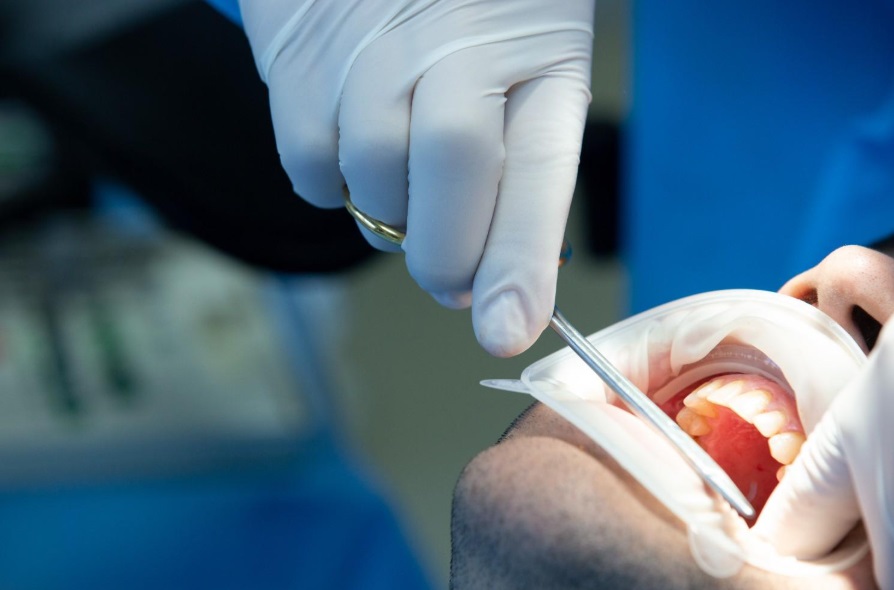
We understand that dental anxiety is real, and we want you to feel fully informed before your appointment. Here is a step-by-step overview of what root canal therapy in Millwoods looks like at our clinic:
Examination and X-Rays
Our dentist will first take digital X-rays to assess the extent of the infection and the shape of the root canals. This helps us plan the procedure precisely.
Local Anaesthesia
The area around the affected tooth is numbed with a local anaesthetic. You will feel comfortable and at ease throughout the procedure — most patients report that the treatment feels no different from a routine filling.
Removal of Infected Pulp
A small opening is made in the crown of the tooth to access the pulp chamber. The infected or damaged pulp tissue is carefully removed using specialised instruments.
Cleaning and Shaping
The inner canals are cleaned, shaped, and disinfected to eliminate bacteria and prevent future infection.
Sealing the Tooth
The canals are filled with a biocompatible material called gutta-percha and sealed. A temporary or permanent filling is placed at the opening.
Crown Placement (if needed)
In most cases, a dental crown is recommended to protect the treated tooth and restore full biting function. We can discuss crown options during your visit you can also learn more on our Crowns and Bridges page.
Why Choose Millwoods Mainstreet Dental Office for Root Canal Services in Millwoods?
Choosing the right dental clinic for endodontic treatment makes a real difference. Here is why patients across the Millwoods community trust us:
- Experienced, compassionate dental team trained in modern endodontic techniques
- Gentle approach designed to keep you relaxed and comfortable throughout your visit
- Comprehensive dental care all in one location, from cleanings and exams to restorative and emergency dentistry
- Transparent, upfront communication about your treatment plan and costs
- Convenient location in the heart of Millwoods, Edmonton, with flexible appointment scheduling
Our goal is not just to treat your tooth — it is to make sure you leave feeling informed, cared for, and confident in your oral health. If you are also dealing with a dental emergency that cannot wait, our Emergency Dentistry services are available to help.
📞 Ready for a smile you love? Call (780)-463-0555 or book online at millwoodsmainstreetdental.com/contact-us
Aftercare and Recovery
Recovery after a root canal is typically straightforward. Some mild sensitivity or tenderness around the treated tooth is normal for a few days, and over-the-counter pain relief is usually sufficient to manage it. We recommend:
- Avoid chewing on the treated side until your permanent crown is placed
- Maintain your regular brushing and flossing routine
- Schedule a follow-up appointment to place your final crown, if applicable
- Contact us immediately if pain or swelling significantly worsens
With proper care and regular dental check-ups, a tooth that has undergone root canal treatment can last a lifetime. Staying on top of your routine cleanings and exams is the best way to protect your investment and your smile.
Book Your Root Canal Appointment in Millwoods Today
Tooth pain should never be ignored. If you suspect you need a root canal in Millwoods, do not wait the earlier we treat the problem, the better the outcome. Our friendly team at Millwoods Mainstreet Dental Office is ready to help you get comfortable and get back to your daily life.
Frequently Asked Questions
Modern root canal treatment is performed under local anaesthesia, so most patients feel little to no discomfort during the procedure. In fact, the treatment itself relieves the pain caused by the infection. Any mild soreness after the appointment typically resolves within a few days.
In most cases, root canal therapy in Millwoods can be completed in one to two visits. The complexity of the tooth’s canal system and the severity of the infection can influence the number of appointments needed. Your dentist will give you a clear timeline during your consultation.
Yes. Root canal treatment is performed under local anaesthesia, which does not impair your ability to drive. You should be able to return to most normal activities the same day, though we recommend avoiding hard or chewy foods until the final restoration is placed.
Leaving a tooth infection untreated can lead to serious complications. The infection may spread to the surrounding bone and tissues, cause a painful dental abscess, or result in the loss of the tooth entirely. In some cases, untreated oral infections can even affect your overall health. Prompt treatment is strongly recommended.
In most cases, yes. After root canal therapy, the treated tooth can become more brittle over time. A dental crown protects it from cracking under normal chewing pressure and restores the tooth’s natural shape and function. Your dentist will advise you on whether a crown is necessary based on the tooth’s location and condition.
Wherever possible, preserving your natural tooth is the better long-term option. Natural teeth are stronger and more functional than artificial replacements, and keeping them helps maintain your jawbone structure. Root canal treatment is specifically designed to save teeth that would otherwise need to be extracted. Our dentists will walk you through all your options and help you make the best decision for your oral health.
A filling addresses decay that has not yet reached the pulp. If the decay is deep enough to infect the inner tissue of the tooth, a root canal is required. Symptoms like spontaneous pain, lingering sensitivity, or gum swelling typically indicate the infection has reached the pulp. A dental exam and X-rays will confirm the diagnosis book an appointment with us and we will assess exactly what your tooth needs.