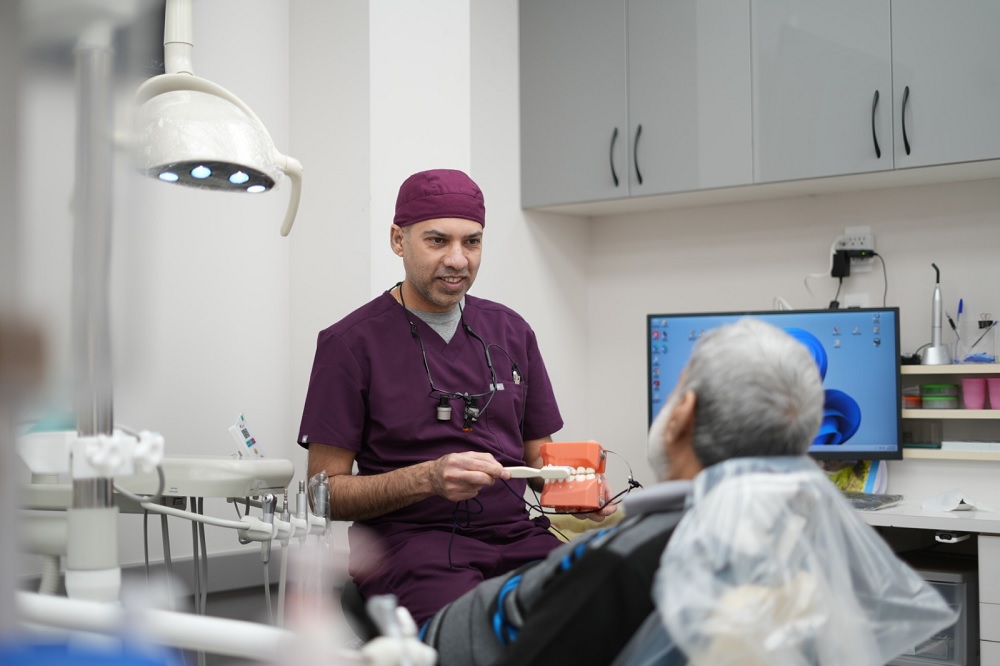
Nobody looks forward to having a tooth removed but sometimes, it is the most important step toward protecting your oral health and relieving pain. At Millwoods Mainstreet Dental Office, we perform tooth extraction in Millwoods with the utmost care, using gentle techniques and effective anaesthesia so you stay comfortable throughout the entire procedure.
Our goal is always to save your natural tooth whenever possible. But when a tooth is too damaged, infected, or crowded to be preserved, a safe and timely extraction is the right path forward. Whatever brought you here a painful tooth, a dental emergency, or a referral from another provider you are in experienced, compassionate hands.
What Is a Tooth Extraction?
A tooth extraction is a dental procedure in which a tooth is carefully and completely removed from its socket in the jawbone. While preserving your natural teeth is always our first priority at Millwoods Mainstreet Dental Office, there are situations where removing a tooth is the most effective way to eliminate pain, stop infection, and protect the health of your surrounding teeth and gums. The procedure is performed under local anaesthesia, ensuring you remain comfortable and pain-free throughout. Tooth extractions are one of the most common dental procedures performed today, routine, safe, and far less daunting than most patients expect. Whether it is a single damaged tooth or a problematic wisdom tooth, our experienced team handles every extraction with precision, care, and a genuine commitment to your comfort.
When Is a Tooth Extraction Necessary?
Extraction is never our first choice. We always explore every option to restore and preserve a tooth before recommending removal. However, there are situations where extracting the tooth is the safest and most effective solution:
Severe Tooth Decay
When decay has destroyed too much of a tooth’s structure reaching deep into the pulp and root a filling or crown may no longer be sufficient. If a root canal cannot salvage the tooth, extraction prevents the spread of infection to neighbouring teeth and the jawbone. Learn more about our Restorative Dentistry options for less severe cases.
Advanced Gum Disease
Severe periodontal (gum) disease can erode the bone and tissue supporting a tooth, causing it to loosen. When a tooth can no longer be stabilized through treatment, extraction becomes necessary to protect surrounding teeth and your overall oral health.
Dental Trauma or Cracked Roots
Accidents, sports injuries, or biting down on something hard can crack or fracture a tooth below the gumline. When the damage extends to the root and cannot be repaired with a dental crown or other restoration, extraction is the safest course of action.
Overcrowding and Orthodontic Preparation
In some cases, one or more teeth need to be removed to create enough space for proper teeth alignment. This is a planned procedure, often carried out as part of a broader orthodontic treatment plan, and is done well in advance of any alignment work.
Impacted or Problematic Wisdom Teeth
Wisdom teeth that are partially erupted, growing at an angle, or causing pain and crowding are frequently extracted. Impacted wisdom teeth can damage adjacent teeth and become a source of recurring infection if left in place.
Infection That Cannot Be Treated
If a tooth infection has spread beyond the root and cannot be resolved with antibiotics or a root canal, removal stops the infection from spreading further and protects your overall health. If you are experiencing acute pain or swelling right now, please contact our Emergency Dentistry team immediately.
Emergency Tooth Extraction in Millwoods
A severe toothache, a knocked-out tooth, a dental abscess these are not situations where you should have to wait days for an appointment. Millwoods Mainstreet Dental Office provides emergency tooth extraction for patients experiencing acute pain, infection, or trauma. We prioritize urgent cases and work to see you as quickly as possible.
Signs you may need an emergency extraction:
- Severe, unrelenting tooth pain that does not respond to over-the-counter pain relief
- Visible swelling in the gum, jaw, or face around a tooth
- A tooth that has been knocked out or is hanging loose after an injury
- A dental abscess, a pocket of infection that can spread rapidly if untreated
- Fever or difficulty swallowing associated with tooth pain
Types of Tooth Extractions We Perform
Simple Extractions
A simple extraction is performed on a tooth that is fully visible above the gumline and can be removed in one piece. The area is numbed with a local anaesthetic, the tooth is loosened gently using a dental instrument called an elevator, and then carefully lifted out with forceps. Simple extractions are routine, quick, and very well-tolerated by most patients.
Surgical Extractions
A surgical extraction is required when a tooth has broken off at the gumline, has not fully erupted, or is impacted meaning it is trapped beneath the gum or bone. In these cases, a small incision is made in the gum to access the tooth. The tooth may be divided into sections for easier removal. Surgical extractions are performed under local anaesthesia, and we also offer sedation dentistry for patients who experience anxiety or require additional comfort during more complex procedures.
What to Expect During Your Tooth Extraction
Before the Procedure
Before your extraction, our team will review your full medical history including any medications, supplements, or health conditions that may affect your treatment or healing. It is important to disclose conditions affecting your heart, liver, immune system, or blood clotting, as well as any blood-thinning medications. If you have a pre-existing infection, antibiotics may be prescribed before the extraction to reduce risk.
We take X-rays to assess the position of the tooth and surrounding bone, allowing us to plan the safest and most efficient removal.
During the Procedure
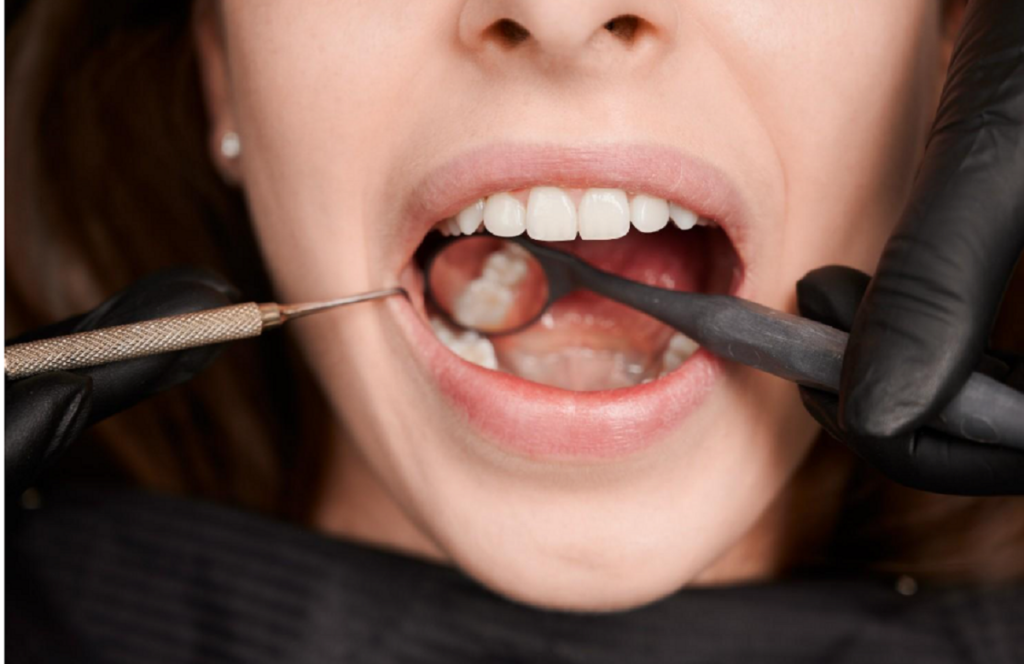
The extraction area is thoroughly numbed using a local anaesthetic before anything begins. You will feel pressure during the procedure but should not experience sharp pain. If at any point you feel discomfort, let us know immediately we will pause and ensure you are fully comfortable before continuing.
For patients who are particularly anxious, we offer sedation options that help you feel calm and relaxed throughout the procedure. Ask our team about sedation when you book your appointment.
After the Procedure, What Happens Next
Once the tooth is removed, gauze is placed over the socket and you will be asked to bite down gently for 30 to 45 minutes to help a blood clot form. This clot is essential for healing dislodging it can cause a painful condition called dry socket.
You will receive detailed aftercare instructions before you leave. Most patients feel comfortable returning to light activity the following day, though strenuous exercise and heavy lifting should be avoided for several days.
Tips for a Smooth Recovery
Following your tooth extraction services in Millwoods, proper aftercare is critical for a smooth, complication-free recovery. Here is what to do and what to avoid:
DO:
- Bite gently on the gauze pad for 30–45 minutes after the procedure to help the clot form
- Take prescribed or over-the-counter pain relievers as directed starting before the anaesthesia wears off
- Apply an ice pack to your cheek in 10-minute intervals for the first 24 hours to reduce swelling
- Rest for the remainder of the day, elevate your head slightly when lying down
- Eat soft, cool foods like yogurt, mashed potatoes, and smoothies for the first 24–48 hours
- Rinse gently with warm saltwater starting 24 hours after the procedure
- Continue brushing and flossing your other teeth, being careful around the extraction site
Avoid:
- Smoking or using tobacco products , this significantly increases the risk of dry socket
- Using a straw, the suction can dislodge the blood clot
- Spitting forcefully for at least 24 hours
- Eating hard, crunchy, or spicy foods until the site has healed
- Strenuous exercise or heavy lifting for 2–3 days
- Touching the extraction site with your tongue or fingers
Replacing a Tooth After Extraction
Losing a tooth does not mean you have to live with a gap. Leaving an empty space after an extraction can cause neighbouring teeth to shift, affect your bite, and lead to bone loss in the jaw over time. At Millwoods Mainstreet Dental Office, we help you plan your next steps so your smile stays healthy, functional, and complete.
Dental Implants
The most durable and natural-looking replacement option, dental implants are titanium posts anchored into the jawbone that support a custom crown. They look and function exactly like natural teeth, and with proper care, they can last a lifetime. We typically recommend waiting for the extraction site to fully heal before proceeding with implant placement.
Dental Bridges
A bridge fills the gap using the teeth on either side as anchors for an artificial tooth. It is a fixed, non-removable solution that restores function and appearance. Explore our full Restorative Dentistry services to learn more about bridges and other tooth replacement options.
Dentures
For patients who need multiple teeth replaced, dentures either full or partial offer a practical and affordable solution. Modern dentures are far more comfortable and natural-looking than ever before, and our team will ensure yours fits precisely.
We will discuss your replacement options with you at your extraction appointment or during a follow-up visit, so you can make a confident, well-informed decision about your long-term oral health.
Why Choose Millwoods Mainstreet Dental Office for Tooth Extraction Services in Millwoods?
- Gentle, patient-centred approach, we prioritize your comfort at every step
- Experienced team skilled in both simple and surgical extractions
- Emergency tooth extraction available, we see urgent cases as quickly as possible
- Sedation options for anxious patients, no one should suffer through dental fear
- Transparent pricing and clear aftercare instructions
- Full tooth replacement planning
- Conveniently located in the heart of Millwoods, serving all of Southeast Edmonton
Our clinic is a place where patients feel informed, respected, and cared for not rushed through an appointment. Whether this is your first extraction or you have had one before, we are committed to making your experience as smooth and stress-free as possible.
Frequently Asked Questions about Tooth Extraction in Millwoods
The extraction site is fully numbed with local anaesthesia before any work begins, so you should feel only pressure not pain during the procedure. After the anaesthesia wears off, some soreness is normal and typically manageable with over-the-counter pain relievers. Our team will give you clear instructions on managing any post-procedure discomfort before you leave.
A straightforward simple extraction typically takes between 20 and 40 minutes from start to finish, including preparation and anaesthesia time. Surgical extractions involving impacted teeth may take longer depending on the complexity. We will give you a realistic time estimate at your consultation.
For simple extractions, most patients feel comfortable returning to light daily activities within 24 hours. The socket typically takes one to two weeks to close over, and full bone healing may take several months. Following your aftercare instructions avoiding smoking, straws, and strenuous activity significantly speeds up recovery.
Yes, but stick to soft, cool foods for the first 24 to 48 hours. Good options include yogurt, mashed potatoes, soups (not too hot), smoothies, and scrambled eggs. Avoid anything hard, crunchy, or spicy until the site has healed sufficiently. Do not use a straw, as the suction can disturb the blood clot and cause dry socket.
Dry socket occurs when the blood clot that forms in the extraction socket is dislodged or dissolves before the wound heals, exposing the bone underneath. It causes significant pain and can delay recovery. To avoid it, do not smoke, use a straw, or spit forcefully in the 24 hours following your extraction. If you experience worsening pain 2–4 days after the procedure, contact us right away dry socket is treatable.
Yes. We understand that dental pain cannot always wait. If you are dealing with severe toothache, a dental abscess, or a tooth injury, call us at (780)-463-0555 and describe your situation. We prioritize emergency cases and will work to see you as soon as possible. You can also visit our Emergency Dentistry page for more information.
In most cases, yes leaving a gap can cause neighbouring teeth to shift, alter your bite, and lead to bone loss in the jaw over time. We will discuss your tooth replacement options including dental implants, bridges, or dentures during your appointment or a follow-up visit, so you can choose the solution that best fits your needs and budget.
Many standard dental insurance plans in Alberta cover tooth extractions, at least partially, particularly when they are medically necessary. Coverage varies depending on your specific plan. Our team will review your insurance benefits before treatment and provide a clear cost estimate so there are no surprises. We also offer flexible payment options for patients without full coverage.
Book Your Tooth Extraction in Millwoods Today
A painful or damaged tooth should not be left untreated and it does not have to be. At Millwoods Mainstreet Dental Office, we make tooth extraction in Millwoods as calm, comfortable, and straightforward as possible. From the moment you call to the moment you leave with your aftercare instructions in hand, our team is with you every step of the way. Whether you are searching for routine tooth extraction services in Millwoods or need an emergency tooth extraction today, we are ready to help.