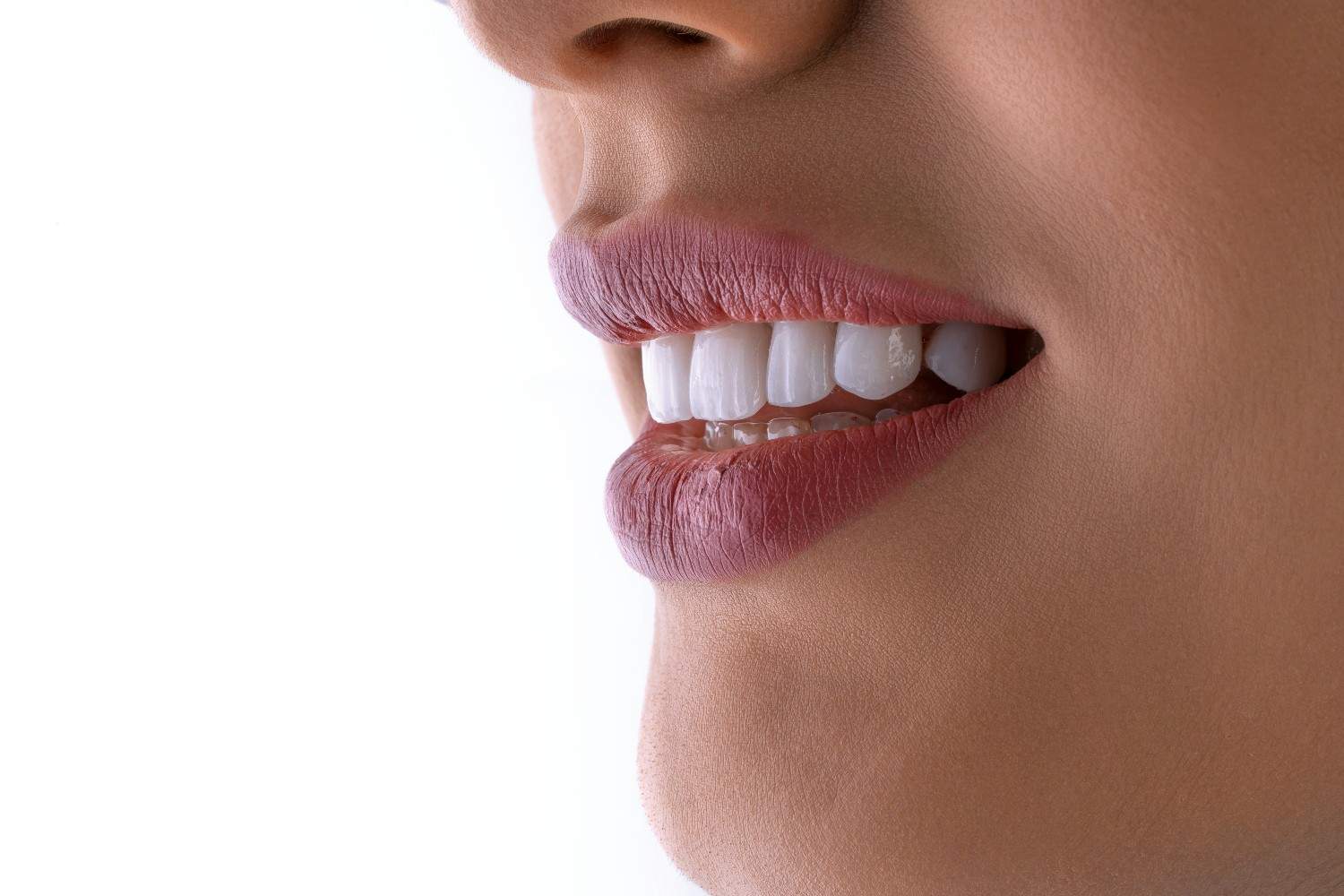
You leave the dentist with a noticeably brighter smile, and the obvious next question is how long you get to keep it. The honest answer depends less on the whitening treatment itself and more on what you do in the weeks and months afterward. Here’s what actually determines how long results hold, and what makes them fade faster than they should.
The General Timeline
Professional in-office whitening typically holds its brightness for six months to two years, while custom take-home tray treatments tend to land in a similar range depending on how consistently they were used. Whitening toothpaste and store-bought strips fall on the shorter end, often needing more frequent reapplication since the results were milder to begin with. None of these numbers are fixed. They shift significantly based on habits, which is really the part worth paying attention to.
What Actually Shortens the Results
Coffee, tea, red wine, and dark sauces are the most common culprits, and it’s really about frequency and contact time rather than any single food being off-limits. Smoking or any tobacco use accelerates staining considerably faster than diet alone. Highly pigmented foods like berries or soy sauce contribute too, though usually less dramatically than daily coffee or tea drinking. None of this means giving these up entirely. It means understanding that whitening isn’t a permanent reset, it’s a head start.
The First 48 Hours Matter More Than People Realize
Teeth are more porous immediately after a whitening treatment, which makes them more susceptible to staining in the day or two afterward. Sticking to what dentists sometimes call a “white diet,” meaning light-coloured foods and drinks, for the first 24 to 48 hours protects your investment right when it matters most. Coffee the morning after a whitening appointment is one of the more common ways people undercut their own results without realizing it.
Good Oral Hygiene Extends Results More Than People Expect
Regular brushing, particularly with a whitening toothpaste for maintenance rather than treatment, helps prevent new surface stains from settling in. Flossing matters here too, since plaque buildup between teeth can dull results over time in spots that brushing alone doesn’t fully reach. None of this replaces a touch-up eventually, but it meaningfully extends how long you go before needing one.
Touch-Ups: When and How Often
Most people who whitened professionally find a touch-up every six months to a year keeps results consistent, often using leftover take-home trays rather than a full in-office session again. This is one of the advantages of getting custom trays made initially, even if your first treatment was done in-office, since it gives you an easy, lower-cost way to maintain results going forward without starting from scratch each time.
Why Some People’s Results Fade Faster Than Others
Genetics and the natural porousness of your enamel play a real role here, which is part of why two people with similar habits sometimes see different results last for different lengths of time. The type of staining you started with matters too. Surface stains respond well to whitening and tend to hold up over time with basic maintenance, while teeth with deeper, more stubborn discolouration sometimes need more frequent touch-ups to maintain the same level of brightness.
Making Your Results Last as Long as Possible
A whitening consultation is also the right time to talk through a realistic maintenance plan based on your specific habits and staining, rather than guessing at a generic timeline that may not apply to you. Teeth whitening in Millwoods includes exactly that kind of conversation, so you leave with a plan for keeping your results, not just the treatment itself.
Ready to brighten your smile and keep it that way? Call (780)-463-0555 to book a consultation.
Frequently Asked Questions
Not necessarily. Both can produce results lasting six months to two years, with the bigger factor being your habits afterward rather than which method you chose initially.
Most dentists recommend avoiding dark-coloured foods and drinks for at least 24 to 48 hours after treatment, since teeth are more porous and prone to staining right after whitening.
Yes, when used regularly for maintenance rather than as the primary whitening method. It helps manage new surface staining between professional treatments but won’t produce dramatic results on its own.
This can come down to changes in diet, oral hygiene consistency, or simply how your enamel responds over time. It’s worth mentioning to your dentist, since a shift like this sometimes signals it’s time for a touch-up sooner than your usual schedule.
Overdoing it can increase sensitivity and, in some cases, wear on enamel over time. Spacing touch-ups appropriately, usually every six months to a year, keeps results consistent without overusing the treatment.
Yes, and this is actually one of the more practical maintenance approaches. Many patients get custom trays made at their first appointment specifically so future touch-ups are easy and don’t require a full in-office visit each time
Results can fade somewhat unevenly, particularly if one tooth has different staining or enamel characteristics than its neighbours. This is worth mentioning at a touch-up appointment so it can be addressed specifically rather than assuming a uniform treatment will fix it.
Related Articles
- What Is a Dental Crown and When Do You Need One?
- How to Keep Your Teeth Healthy
- 5 Tips for Maintaining a Healthy Smile
- Common Invisalign Problems and How to Fix Them
The Canadian Dental Association recommends discussing a maintenance plan with your dentist as part of any whitening treatment to protect your results long-term. Patients can verify a dentist’s licensing status in Alberta through the Alberta Dental Association. Our Millwoods dental team is happy to help you build a plan that fits your habits.
Millwoods Mainstreet Dental Office, 6420 28 Ave NW, Edmonton, AB. Call (780)-463-0555 to book your whitening consultation.