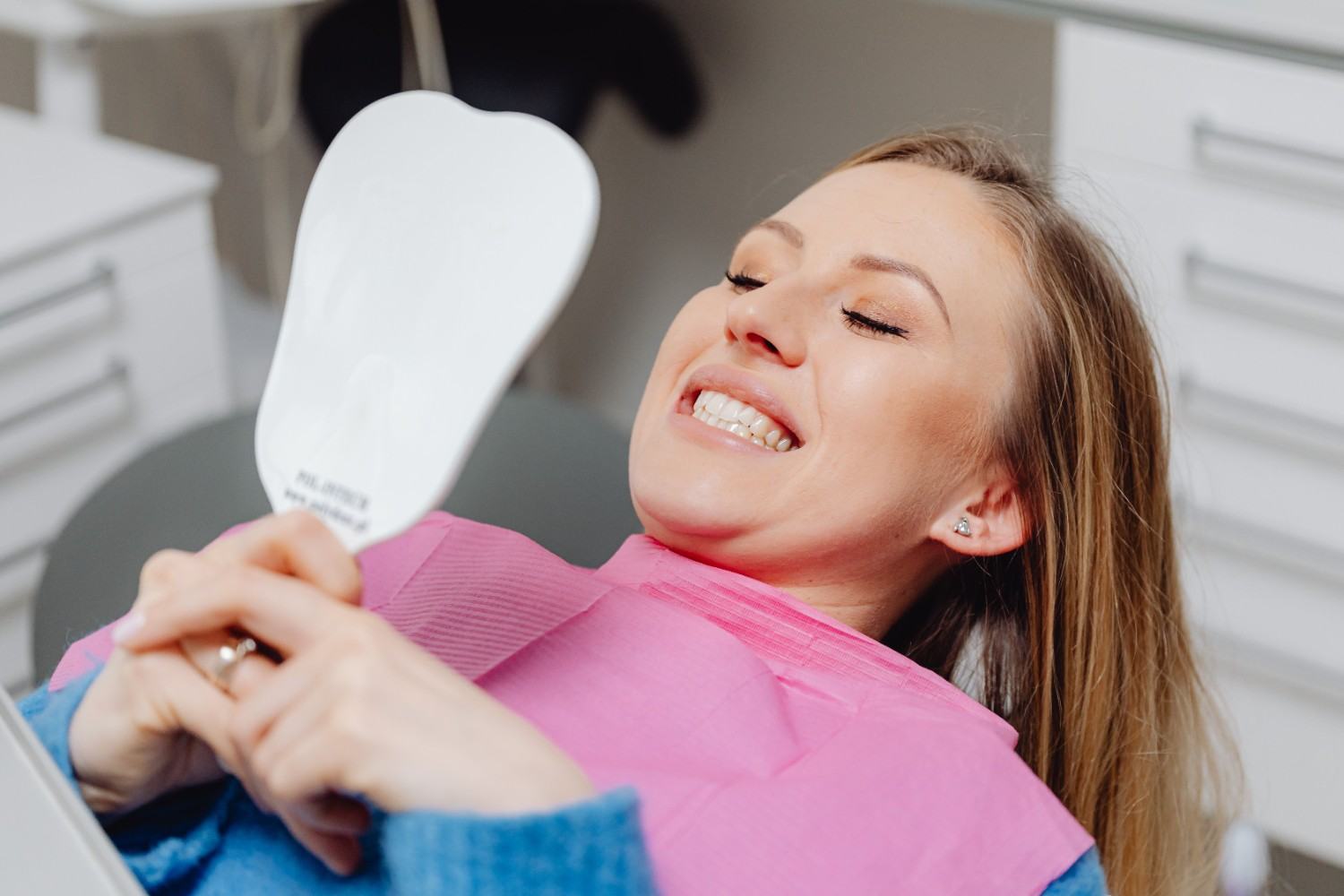
A brighter smile is one of the most requested changes in cosmetic dentistry, and for good reason: it’s fast, it’s visible, and it makes a real difference in how confident people feel about their smile. What most people don’t realize is that whitening isn’t a simple grab-a-box-and-go decision for everyone. A few things genuinely matter before you start, and skipping them is the most common reason people end up disappointed with their results.
Get a Checkup First, Even If You Feel Fine
This is the step almost everyone skips, and it’s the one dentists wish patients wouldn’t. Whitening gel needs healthy enamel and healthy gums to work safely and evenly. If you have an untreated cavity, exposed roots, or gum inflammation, whitening can irritate those areas and sometimes make sensitivity considerably worse than it needs to be. A quick check beforehand catches problems that would otherwise turn a routine whitening session into an uncomfortable one.
Not All Stains Respond the Same Way
Stains fall into two broad categories, and knowing which one you’re dealing with changes what to expect. Surface stains, caused by coffee, tea, red wine, and everyday habits, respond well to almost any whitening method. Stains that originate inside the tooth, from certain medications taken during childhood, past trauma, or natural aging, are far more resistant and sometimes don’t respond to whitening at all. If your stains have always looked more grey than yellow, that’s often a sign you’re dealing with the second type, and it’s worth a conversation before committing to a treatment plan.
Existing Dental Work Won’t Match
Crowns, veneers, fillings, and bonding material do not change colour the way natural enamel does. If you have visible dental work in the front of your smile, whitening the teeth around it can create a noticeable mismatch rather than a uniform brighter look. This catches a lot of people off guard after the fact. Mentioning any existing dental work before you start lets your dentist plan around it, sometimes by timing replacement of an old crown to match your new shade instead of the other way around.
Sensitivity Is Common, Not a Sign Something Went Wrong
Mild sensitivity to cold, and occasionally to touch, is one of the most common side effects of whitening, professional or store-bought. It typically fades within a day or two. What changes the experience is supervision: a dentist can adjust gel strength and timing to reduce sensitivity significantly, something a drugstore box simply can’t do for you. If you already deal with sensitive teeth day to day, mention it before starting rather than discovering the hard way that a generic kit wasn’t built with your teeth in mind.
Timing Matters More Than People Expect
If you’re whitening for a wedding, graduation, or big event, the biggest mistake is starting too close to the date. In-office whitening delivers same-day results, but temporary sensitivity afterward means booking one to two weeks ahead still gives the best outcome. Take-home trays need more lead time, generally two to three weeks, since results build up gradually rather than all at once. Planning ahead also leaves room for a touch-up session if your first result isn’t quite where you wanted it.
More Isn’t Better
Using whitening products more frequently than recommended doesn’t speed up results. It mainly increases the risk of sensitivity and can wear down enamel over time with repeated overuse. A supervised schedule, whether that’s an in-office session or a properly timed take-home tray routine, protects your enamel while still getting you to your goal shade.
What Actually Happens in a Consultation
A whitening consultation isn’t just a formality. Your dentist checks for cavities and gum health, identifies what type of staining you’re dealing with, and talks through realistic expectations for your specific teeth, including which method fits your timeline and sensitivity level. This is also the point where mismatched crowns or veneers get flagged before they become a surprise later. Booking dentistry near me for this first step, even if you ultimately choose an at-home product, saves most people from the disappointment that comes with skipping it.
Professional teeth whitening in Millwoods starts with exactly this kind of assessment, so you know what to expect before any gel touches your teeth.
Thinking about whitening but not sure where to start? Call (780)-463-0555 to book a consultation.
Frequently Asked Questions
Cost varies by method, from a few dollars for whitening toothpaste up to a higher investment for in-office treatment. Because whitening is considered cosmetic and typically isn’t covered by insurance, we recommend a consultation for an accurate estimate rather than assuming a number that may not apply to your situation.
In many cases, yes, with the right approach. A dentist can adjust gel concentration and timing specifically to manage sensitivity, which is one of the clearest advantages of supervised whitening over a generic store-bought kit.
Whitening performed as directed, ideally under professional guidance, does not damage healthy enamel. The real risk comes from overusing products beyond the recommended frequency, which can increase sensitivity and wear down enamel over time.
Most people see results lasting anywhere from several months to a couple of years, depending on diet, oral hygiene, and habits like smoking or heavy coffee consumption. Occasional touch-ups extend results considerably longer than a single treatment on its own.
Sometimes. A single darker tooth, often caused by past trauma or a previous root canal, may respond to a targeted internal whitening approach rather than a full-mouth treatment. This is worth discussing directly with your dentist rather than assuming a standard kit will fix it.
Professional whitening offers more control over gel strength, even application through custom trays, and direct supervision if sensitivity develops. Store-bought strips can still work reasonably well for mild surface staining, but they don’t offer the same level of customization or oversight.
Standard dental plans generally classify whitening as cosmetic and don’t provide coverage. Some clinics offer payment plans to help spread out the cost, which is worth asking about directly if budget is a factor.
The Canadian Dental Association recommends a dental checkup before starting any whitening treatment to rule out underlying oral health issues first. To confirm a dentist’s licensing status in Alberta, visit the Alberta Dental Association.
Millwoods Mainstreet Dental Office, 6420 28 Ave NW, Edmonton, AB. Call (780)-463-0555 to book your whitening consultation.