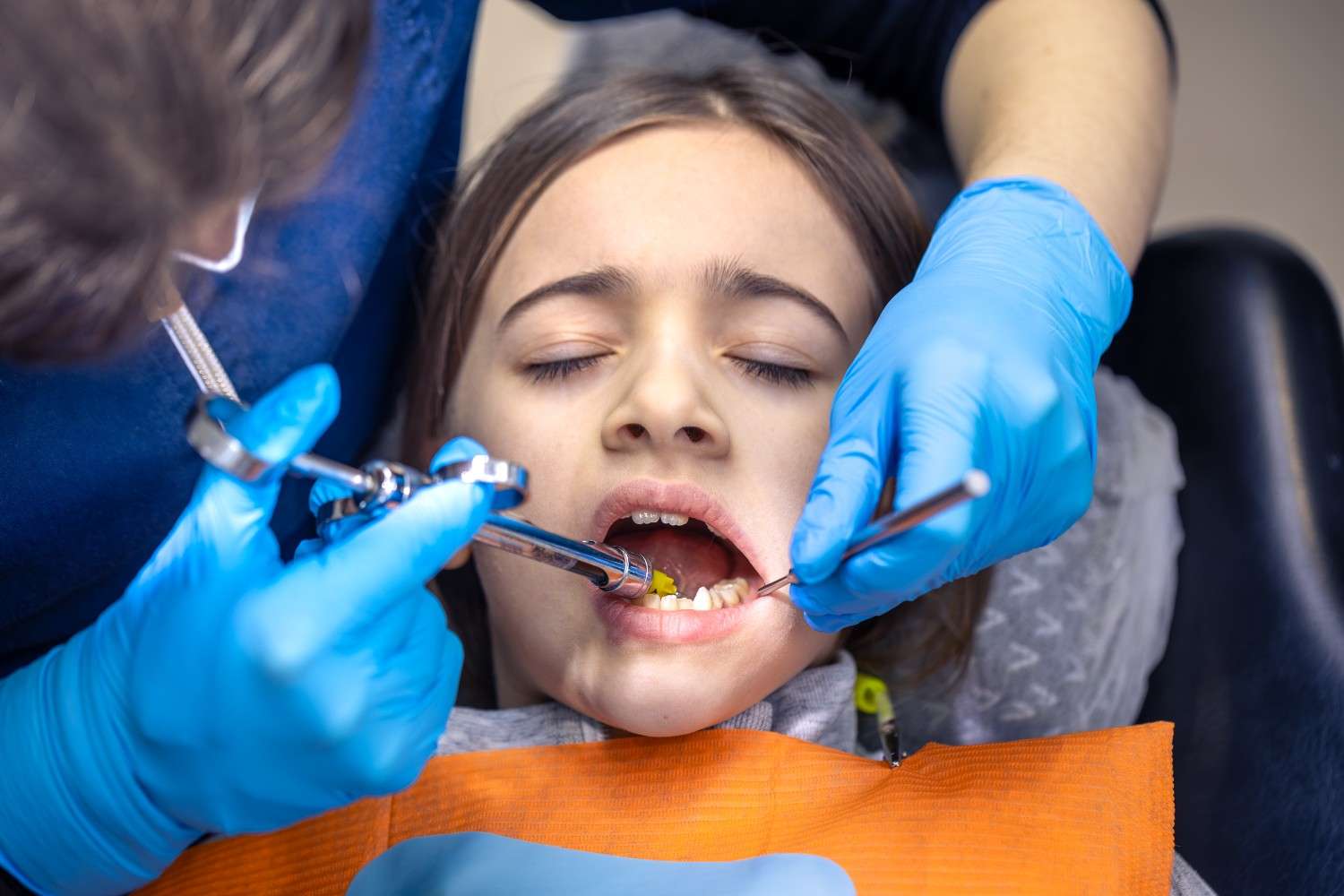
A dentist mentions sealants at your child’s checkup, and the natural next question is whether it’s a real preventive step or just an upsell. It’s a fair thing to ask before agreeing to anything for your kid. The short answer, backed by decades of data, is that sealants are one of the more genuinely cost-effective preventive treatments in pediatric dentistry. Here’s what they actually do and why dentists recommend them so consistently.
What a Sealant Actually Is
A dental sealant is a thin protective coating, usually a plastic resin, painted onto the chewing surface of a back tooth. Molars have deep natural grooves designed for grinding food, and those same grooves are almost impossible to clean fully with a toothbrush, even for an adult with good technique. A sealant fills in those grooves and creates a smooth surface that plaque and food particles can’t hide in the way they normally would.
Why This Matters So Much for Kids Specifically
Cavities in permanent molars are one of the most common dental problems in school-age children, largely because those teeth erupt with the deepest grooves and kids are still developing consistent brushing habits at exactly the age those molars come in. According to CDC data, school-age children without sealants get cavities in those molars nearly three times as often as children who have them, and sealants continue offering meaningful cavity protection for several years after they’re applied.
How the Procedure Actually Works
There’s no drilling, no numbing, and no discomfort involved. A dentist cleans the tooth surface, applies the sealant material, and it hardens quickly, sometimes with the help of a curing light. The whole process takes a few minutes per tooth and is usually done right during a routine cleaning and exam, so it rarely means an extra trip to the clinic.
When Sealants Make the Most Sense
Timing matters more than people expect. Sealants work best when applied shortly after a permanent molar has fully erupted and before any decay has had a chance to start, which is why dentists check for this window at regular checkups rather than waiting for a parent to bring it up. The first molars typically come in around age six, with the second set following around age twelve, and both are common windows for sealant placement.
What Sealants Won’t Do
Sealants only protect the chewing surfaces of back teeth. The sides of the teeth and the gumline still need daily brushing and flossing, and sealants are not a substitute for that routine. A tooth that already has decay on the chewing surface generally needs to be treated first, since a sealant can’t be placed over an existing cavity. They also aren’t permanent. Sealants can wear down or chip over time, which is one more reason regular checkups matter even after they’re applied.
The Actual Cost Math
Sealants typically run in the range of thirty to sixty dollars per tooth before insurance, and many Alberta dental plans that include pediatric coverage will cover a portion of the cost, particularly for kids under fourteen. Compare that to the cost of treating a cavity that develops in an unprotected molar, which often runs into several hundred dollars for a filling and considerably more if it progresses to needing a crown, and the preventive math tends to favour sealants pretty clearly for most kids.
How Long They Actually Last
With reasonable care, sealants commonly last five to ten years, though a dentist checks that they’re still intact at each regular visit and can reapply if one has worn down or chipped. This is really the same logic as any preventive treatment: it’s not a one-time fix, it’s an ongoing part of your child’s regular dental care.
Is Your Child a Good Candidate?
Most kids with newly erupted molars are strong candidates, particularly if they’ve had cavities before or if their molars have especially deep grooves. A pediatric dentist in Millwoods can check whether your child’s molars are in that ideal window at their next routine visit and walk you through whether sealants make sense for their specific teeth.
Wondering if sealants are right for your child? Call (780)-463-0555 or book online to ask at their next checkup.
Frequently Asked Questions
No. The process is painless and doesn’t involve drilling or anesthesia. Most kids tolerate it without any fuss, since it’s really just a coating being painted on and hardened.
Most sealants last five to ten years with normal wear, though a dentist checks them at each regular visit and can reapply one that has chipped or worn down sooner than expected.
Sealants are most commonly recommended for children and teenagers around the time their permanent molars erupt, but adults at higher cavity risk can benefit from them as well. It’s worth asking your dentist if you’re someone who tends to get cavities in your back molars.
Many plans that include pediatric coverage cover a portion of sealant costs, particularly for children under fourteen, though this varies by provider. Bringing your policy details to the appointment lets the team confirm your actual coverage.
Generally no. If decay is already present on the chewing surface, that needs to be treated first. Once the tooth is healthy, a dentist can discuss whether a sealant makes sense to help protect it going forward.
You generally can’t tell just by looking, which is why regular dental checkups matter even after sealants are placed. A dentist checks that the sealant is still intact and reapplies it if it has worn away.
Related Articles
- Pediatric Dental Care: What Parents in Millwoods Need to Know
- What Is Fluoride Treatment?
- How Often Should Kids See a Dentist? A Parent’s Guide to Children’s Dental Care in Millwoods
- How to Keep Your Teeth Healthy
The Canadian Dental Association recognizes dental sealants as a safe, evidence-supported preventive treatment for reducing cavities in children’s molars. Parents can confirm a dentist’s licensing status in Alberta through the Alberta Dental Association. Our Millwoods family dentist team is happy to check whether your child’s molars are ready.
Millwoods Mainstreet Dental Office welcomes children and families at 6420 28 Ave NW, Edmonton, AB. Call (780)-463-0555 to schedule your child’s visit.