Roughly one in five Canadians is missing at least one tooth, yet many delay treatment because they’ve heard implants are risky or complicated. That’s worth addressing directly. Dental implants have one of the highest success rates in modern dentistry, sitting above 95 percent over a 10-year period according to research cited by the Canadian Dental Association. That said, risks do exist, and understanding them helps you make the right choice for your situation.
At our Millwoods Mainstreet Dental Office, we work with patients who have questions about everything from candidacy to cost to long-term durability. This post covers the real risks, how we work to prevent them, and what questions are worth asking before moving forward.
What Makes Dental Implants Different From Other Tooth Replacements
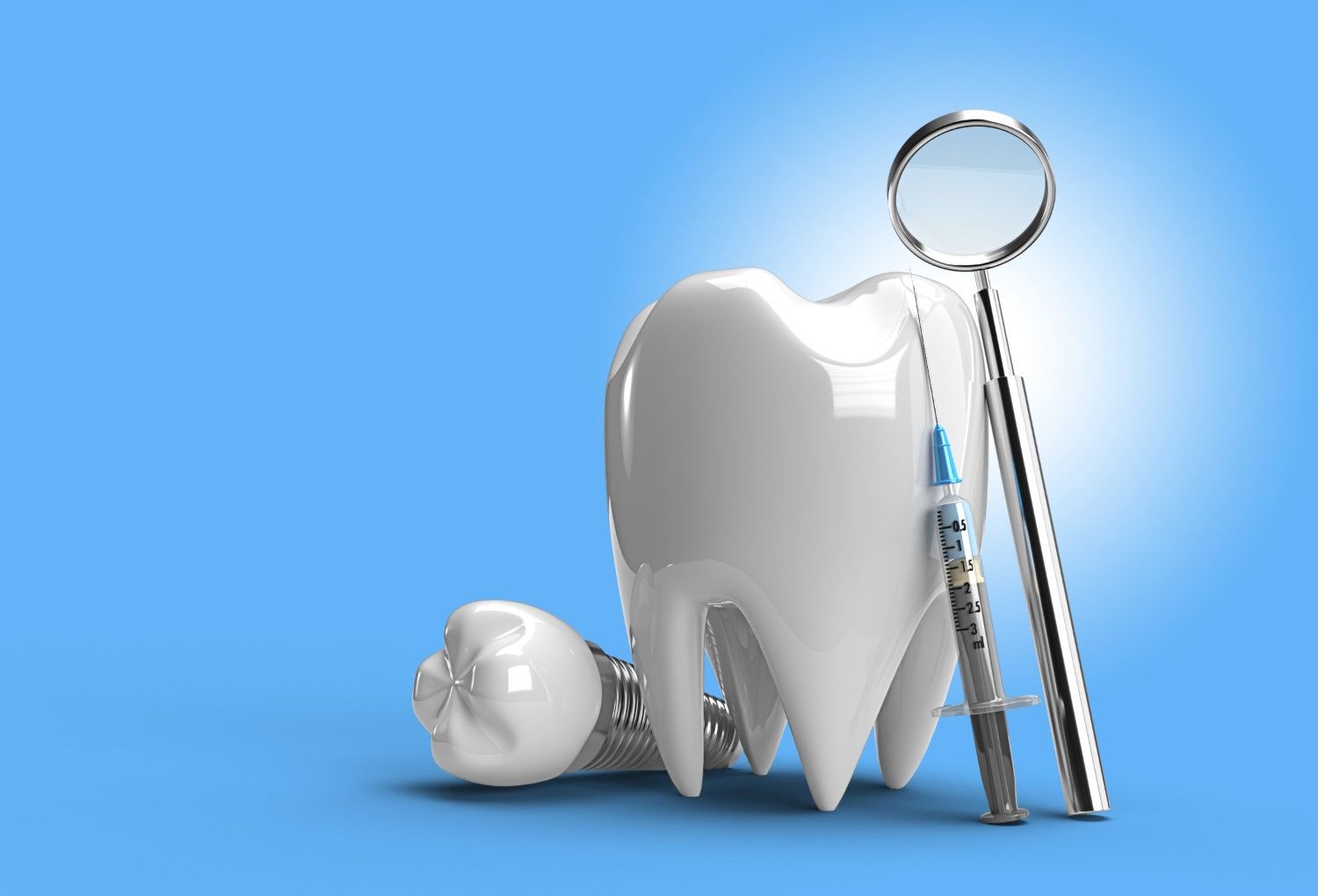
A dental implant replaces the entire tooth structure, including the root. A titanium post is surgically placed into the jawbone, where it fuses with bone tissue through a process called osseointegration over several months. A crown is then attached on top, creating a permanent tooth that looks, feels, and functions like a natural one.
Bridges and dentures sit on top of the gum or adjacent teeth. Implants are anchored in bone. That distinction matters for long-term bone preservation, bite stability, and daily comfort. Our blog on types of dental implants breaks down the different configurations available, including single implants, implant-supported bridges, and full-arch options.
Understanding the Real Risks of Dental Implants
Here is something most people do not realize: the majority of implant complications are not random. They are linked to specific, identifiable risk factors, which means many are preventable with the right preparation.
Infection and Peri-Implantitis
Infection around the implant site (called peri-implantitis) is the most common complication. It’s similar to gum disease in that bacteria build up around the implant, causing bone loss and eventually implant loosening if untreated. Patients with a history of gum disease face a higher risk. Good oral hygiene at home and regular dental check-ups are your best defenses.
Implant Failure and Poor Osseointegration
Occasionally, the bone does not fully fuse with the implant post. This is more likely in patients with uncontrolled diabetes, certain bone conditions, or those who smoke. Smoking, in particular, significantly reduces blood flow to healing tissue and increases failure rates. We always advise patients to stop smoking before and after implant surgery.
Nerve and Sinus Complications
Implants placed in the lower jaw carry a small risk of nerve proximity if the jawbone is shallow. For upper jaw implants near the sinus cavity, sinus perforation is a possible complication. Both risks are greatly reduced through precise 3D imaging and careful surgical planning before the procedure begins.
Bone Loss and Poor Candidacy
Sufficient bone volume is required to support an implant. Patients who lost teeth years ago may have experienced significant bone resorption in the area. A bone graft can often address this, though it adds time to the overall treatment plan. This is why a thorough consultation matters before any decision is made.
How We Reduce Risk at Our Clinic?
Prevention starts before the surgery. At Millwoods Mainstreet Dental Office, we use comprehensive imaging, a review of your full medical history, and a candid conversation about your risk factors before recommending implants. Every patient is different, and treatment recommendations reflect that.
We review medications that can affect healing, including blood thinners, bisphosphonates, and some immunosuppressants. We also screen for conditions like uncontrolled diabetes that may need management before implant surgery is appropriate. Getting blood sugar under control, for example, can meaningfully change a patient’s implant success rates.
Our team also emphasizes that how oral health affects overall health runs in both directions. Systemic health affects implant outcomes, and implant health affects systemic wellbeing. Both need to be part of the conversation.
Who Is a Good Candidate for Dental Implants Near You
The best implant candidates are adults with fully developed jaws, adequate bone density, healthy gums, and no uncontrolled systemic health conditions. That said, many people who do not initially qualify can still become candidates after preparatory treatment.
Bone grafting can rebuild volume where it has been lost. Periodontal therapy can bring gum disease under control. Working with a dental implant near you specialist means you get an honest picture of what is possible before you commit to anything.
Age alone is not a barrier. We see implant patients from their 20s through their 70s at our Edmonton clinic. What matters is bone health and overall medical stability, not the number on your birthday cake.
Long-Term Care After Dental Implants
Implants do not get cavities, but the tissue around them can still develop disease. Brush twice daily, floss around the implant crown, and use an antibacterial rinse if your dentist recommends it. Avoid using your implant teeth to chew ice or open packages, as excessive force can damage the crown.
Follow-up appointments matter. Catching early signs of peri-implantitis before bone loss progresses is far easier than treating advanced disease. We always suggest scheduling a check-up every six months after implant placement, which aligns with the routine care schedule for your other teeth.
If you grind your teeth at night, mention it before getting implants. A night guard protects both natural teeth and implant crowns from excessive pressure. Our general dentistry team can fit you for one as part of your overall care plan. Visit our general dentistry page to learn about the range of services we provide.
Alternatives Worth Considering
Implants are not the only path. Dental bridges can replace one or two missing teeth without surgery, and modern dentures have improved considerably. The right choice depends on how many teeth are missing, bone health, budget, and your timeline.
Our blog on types of dental bridges provides a helpful comparison if you want to weigh your options. And if you are considering a bridge supported by implants, that is a conversation worth having with our team directly.
Frequently Asked Questions About Dental Implants
With proper care, the implant post can last a lifetime. The crown on top typically lasts 10 to 15 years before it may need replacing due to normal wear. Individual outcomes vary based on oral hygiene, bite force, and overall health.
The surgery is performed under local anesthetic, so you should not feel pain during placement. Post-operative soreness for a few days is normal and manageable with over-the-counter or prescribed pain relief. Most patients describe it as less uncomfortable than they expected.
Coverage varies widely. Many plans cover portions of the work, such as the crown or the consultation, but not the implant post itself. We always suggest checking your plan details in advance. Alberta Health Services also outlines some dental coverage options through provincial programs for qualifying residents. The Alberta Health Services dental page is a useful starting point.
From the initial consultation to the final crown placement, the process typically takes three to six months. Bone grafting or extensive healing periods can extend this. Your dentist will give you a realistic timeline during your consultation.
If an implant does not integrate properly, it can be removed and the site allowed to heal. In many cases, a second implant attempt is possible after assessing and addressing what caused the failure. Failure is uncommon but not impossible, and our team will walk you through all scenarios openly.
Ready to Explore Dental Implants?
Our team at Millwoods Mainstreet Dental Office takes a measured, honest approach to implant consultations. We explain what is possible for your specific situation, review your risk factors, and make sure you have the information you need to decide with confidence.
Call us at (780)-463-0555 or book online to schedule your implant consultation. We serve patients across Millwoods and the broader south Edmonton area.
This article is for informational purposes only. Please consult a licensed dental professional for advice specific to your oral health needs.
Related Articles
Types of Dental Implants: What You Need to Know
2 replies on “Dental Implant Risks, Prevention, and What to Ask Before You Commit”
[…] every case follows the average schedule. If bone grafting was needed before the implant could even be placed, that adds its own separate healing period […]
[…] Dental Implant Risks, Prevention, and What to Ask Before You Commit […]