Average Life of a Dental Bridge
If you are missing a tooth, a dental bridge can help fill the gap and bring back your smile. But one big question many people ask is: How long do dental bridges last?
The short answer is that most bridges last 5 to 15 years. Some even last longer with great care. The dental bridge lifespan depends on many things, including how well you care for it and your overall oral health.
Let’s break it down in simple terms.
What Is a Dentistry Bridge, and How Does the Procedure Work?
A dental bridge is a fixed piece of dental work that fills the space left by one or more missing teeth. Unlike a removable denture, it stays in your mouth permanently. The dental procedure for a bridge usually takes two visits. At the first, your dentist shapes the teeth on either side of the gap and takes an impression. At the second, once the lab has built your custom bridge, your dentist checks the fit and bonds it in place.
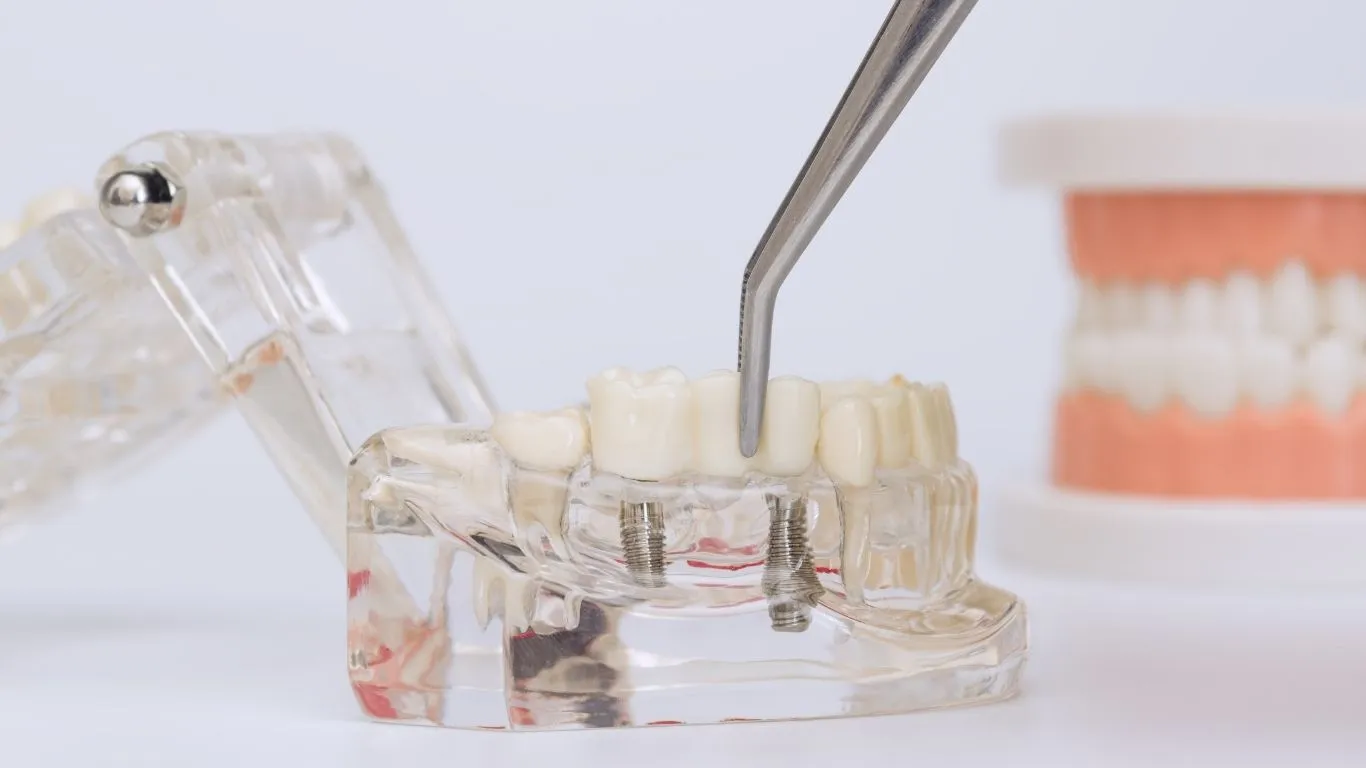
So what is a dentistry bridge, exactly? It is three or more connected pieces: two crowns that anchor onto your natural teeth, called abutments, and one or more false teeth, called pontics, in between. A dental crown on its own caps a single tooth, while a bridge uses crowns to support a whole replacement tooth.
What Is the Average Life of a Dental Bridge?
The average life of a dental bridge is usually around 10 years. However, this is just an estimate. Some bridges may need to be replaced sooner, while others can last 15 years or more.
Think of it like tires on a car. With good care and regular checkups, they last longer. Without care, they wear out faster.
What Affects Dental Bridge Durability?
There are several factors affecting dental bridge longevity. Understanding these can help you make your bridge last as long as possible.
1. Oral Hygiene
Brushing twice a day and flossing daily are very important. Food and plaque can build up under the bridge. If not cleaned properly, this can cause decay in the teeth that support the bridge.
Special tools like floss threaders or water flossers can help clean under the bridge.
2. Health of Supporting Teeth
A bridge depends on the teeth next to the gap, called abutment teeth. If these teeth get cavities or gum disease, the bridge may fail. Healthy gums and teeth mean better dental bridge durability.
3. Type of Bridge
There are different types of bridges. Traditional bridges use natural teeth for support. Implant-supported bridges use dental implants instead. Implant-supported bridges often last longer because they do not rely on natural teeth.
4. Materials Used
Bridges can be made from porcelain, metal, zirconia, or a mix of materials. Stronger materials usually offer better durability.
5. Habits Like Grinding or Clenching
If you grind your teeth at night, it can put extra pressure on the bridge. Over time, this can cause cracks or loosening. A night guard can help protect your bridge.
6. Regular Dental Visits
Seeing your dentist every six months allows problems to be caught early. Small issues can be fixed before they turn into big ones.
Signs Your Dental Bridge May Need Replacement
Even with great care, a bridge may not last forever. Here are some warning signs to watch for:
- Pain or sensitivity around the bridge
- A loose feeling when chewing
- Bad breath that does not go away
- Swollen or bleeding gums
- Visible cracks or chips
If you notice any of these signs, it’s best to see your dentist right away.
Related article: Dental Bridges: Types & Who Needs Them
How to Make Your Dental Bridge Last Longer
Here are simple steps to extend your dental bridge lifespan:
- Brush twice daily with fluoride toothpaste
- Floss carefully under the bridge every day
- Avoid chewing hard foods like ice
- Wear a night guard if you grind your teeth
- Visit your dentist for regular cleanings
Taking care of your bridge also protects your natural teeth and gums.
How Much Does a Dental Bridge Cost?
The cost for bridges depends on a few specifics: the material you choose, how many teeth need replacing, and whether the teeth next to the gap need extra work first, like a filling or a root canal. A single-tooth bridge made with porcelain fused to metal typically costs less than an all-ceramic or zirconia version, but the stronger materials often hold up better over time.
Dental insurance plans vary widely in what they cover for bridges, so the fastest way to get a real number is to call the clinic directly. The team can review your plan and walk you through pricing before you commit to anything. If a denture fits your situation better, that’s worth asking about too.
Bridge vs. Implant: Lifespan and Cost
Many patients ask if implants last longer than bridges. In general, dental implants can last longer, sometimes even decades. However, they are more expensive and require surgery.
Bridges are often faster and more affordable. The right choice depends on your dental health, budget, and personal needs.
Cost usually settles the decision for most patients. Bridges cost less upfront, but bridges that fail early often do so because the teeth holding them up develop gum disease or decay, not because the bridge material itself wore out. Implants cost more at the start, yet a well-placed implant is built to last for decades. If you want a closer look at what drives the price difference, our guide on how much dental implants cost in Edmonton breaks down the numbers.
Also read: Restorative Dentistry: Fillings, Crowns, and Bridges Explained
Dental Bridge FAQs
Not usually. Most bridges last 5 to 15 years, and even well-cared-for ones eventually need a repair or replacement. The materials wear, and the natural teeth supporting the bridge age along with the rest of your mouth.
Replacing a bridge is usually no more uncomfortable than getting the original one fitted. Your dentist numbs the area first. Most people describe some pressure rather than pain.
Yes. The teeth supporting a bridge can still decay if plaque and bacteria build up where the bridge meets the gum. That’s why cleaning under the bridge every day matters just as much as brushing the rest of your mouth.
There’s no single fixed answer. The Canadian Dental Association recommends basing checkup frequency on a risk assessment rather than a one-size-fits-all schedule. Ask your dentist what interval makes sense for your bridge.
Coverage varies by plan and by why the bridge is needed. The clinic can check your specific insurance details and walk you through what’s covered before you commit to treatment.
A bridge is fixed in place and anchored to your natural teeth. A partial denture is removable. Bridges tend to feel more like natural teeth day to day, but dentures don’t require shaping the teeth next to the gap.
Final Thoughts
So, how long do dental bridges last? For most people, the average life of a dental bridge is 5 to 15 years. With proper care, your bridge can stay strong and comfortable for many years.
The key to better dental bridge durability is good oral hygiene, healthy supporting teeth, and regular dental visits. Knowing the factors affecting dental bridge longevity helps you protect your investment and your smile.
If you have questions about your bridge or are thinking about getting one, talk to a trusted dentist in Edmonton. A professional exam can help you understand your options and keep your smile healthy for years to come.
Your smile deserves the best care.
Related Articles
Ready to find out if a bridge is right for you? Call Millwoods Mainstreet Dental at (780)-463-0555 or visit us at 6420 28 Ave NW, Edmonton, AB. You can also browse our full list of treatments before you come in.
2 replies on “How Long Do Dental Bridges Last?”
[…] How Long Do Dental Bridges Last? […]
[…] How Long Do Dental Bridges Last? […]