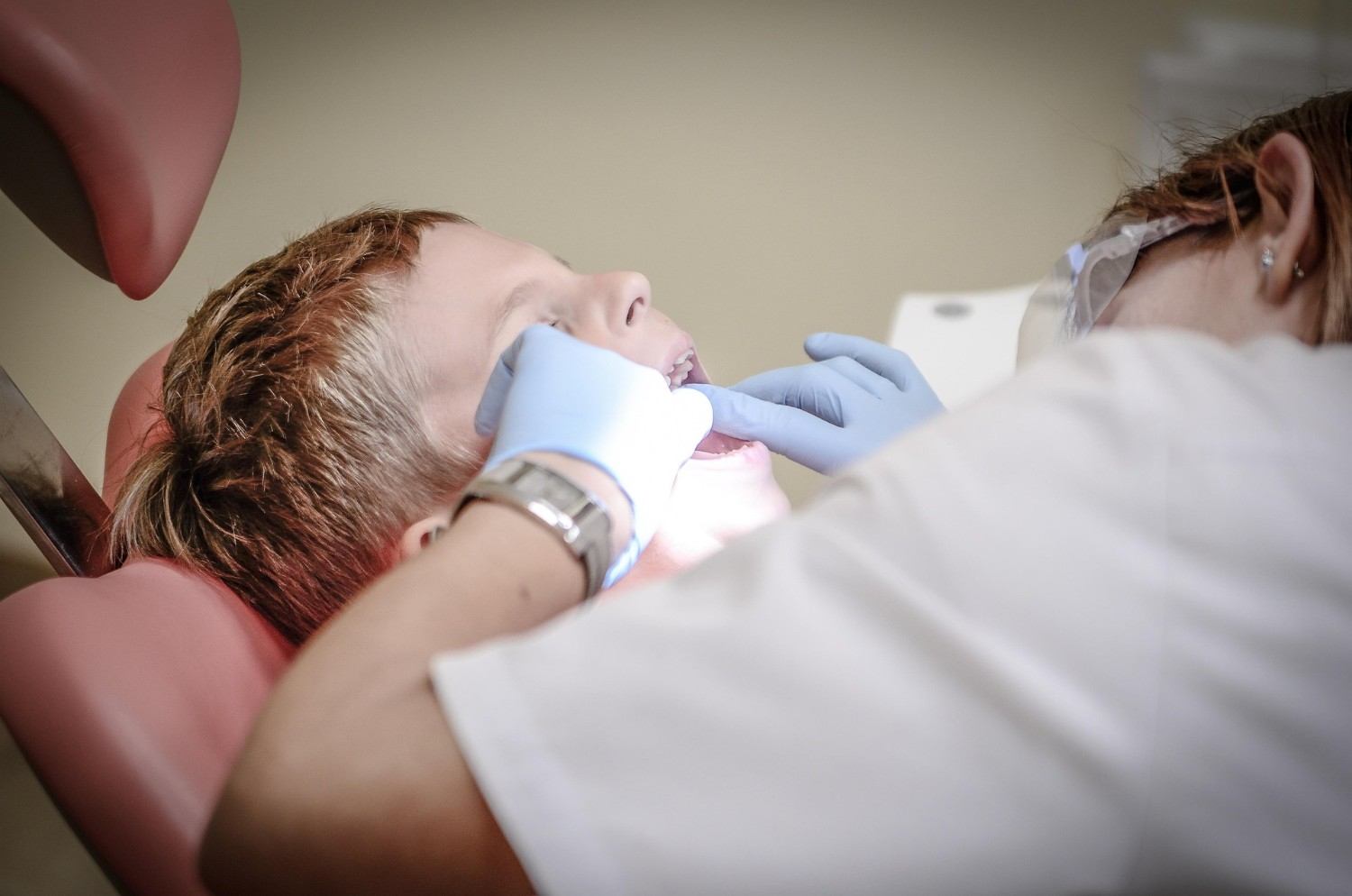
Hearing that your child needs a root canal tends to land harder than hearing it about yourself. Most parents’ first reaction is somewhere between confusion and alarm, especially if the tooth in question is “just a baby tooth.” The truth is more reassuring than the name suggests. Pediatric root canal treatment is a routine, well-established procedure, and understanding what it actually involves tends to replace the panic with a plan.
As a full-service dentist in Millwoods Edmonton, we treat kids and adults under one roof, so whatever your family needs next, from a child’s first exam to a parent’s own checkup, you’re not shopping around for a second provider.
Why Kids Need Root Canals at All
A cavity that reaches the soft inner tissue of a tooth, called the pulp, causes infection and pain the same way in a child’s tooth as it does in an adult’s. Left untreated, that infection can spread toward the developing permanent tooth underneath, which is exactly why dentists don’t simply wait it out on the logic that “it’s coming out eventually anyway.” According to the Canadian Paediatric Society, early childhood tooth decay remains one of the most common infectious conditions affecting Canadian children, and treating it properly protects far more than the tooth in question.
Pulpotomy vs. Pulpectomy: The Two Types of Pediatric Root Canals
Adult root canals and pediatric ones aren’t quite the same procedure, and the terminology reflects that. A pulpotomy removes only the infected portion of the pulp inside the crown of the tooth, leaving the healthy root tissue in place to support the tooth until it naturally falls out. A pulpectomy goes further, removing the entire pulp from both the crown and the root canals, similar in scope to an adult procedure but adapted for a smaller, still-developing tooth. Which one your child needs depends entirely on how far the infection has spread, something your dentist determines through an exam and X-rays rather than guessing from symptoms alone.
Signs Your Child Might Need One
Persistent pain that doesn’t ease with over-the-counter medication, sensitivity that lingers well after eating something hot or cold, and visible swelling near a specific tooth are the most common signs parents notice first. Sometimes there’s no complaint of pain at all. A tooth that’s turned grey or dark, or a small bump on the gum that looks like a pimple, can indicate an infection that hasn’t caused obvious discomfort yet. Any of these is worth a same-week visit rather than a wait-and-see approach.
What Actually Happens During the Procedure
Your child is numbed with local anaesthetic first, the same way an adult would be for a filling. The dentist removes the infected tissue, cleans the area, and fills the space with a medicated material designed specifically for primary teeth before sealing the tooth, typically with a stainless steel crown to protect what remains. Because primary teeth have simpler root structures than permanent teeth, the whole appointment is often quicker and, for many kids, easier to tolerate than parents expect going in.
Is It Painful for Kids?
This is usually the first question parents ask, and the honest answer mirrors what’s true for adults: the infection causes the pain, not the treatment. With proper anaesthetic, most children report only pressure during the procedure, and any discomfort afterward is typically mild and short-lived. A pediatric dentist in Millwoods who works with kids regularly also has techniques for managing anxiety around the appointment itself, separate from the physical experience of the treatment.
What If My Child Is Too Anxious to Sit Through It?
Some kids handle the appointment without much fuss. Others need extra support, particularly if they’ve had a difficult dental experience before or if the infection has already caused significant pain leading up to the visit. Sedation dentistry options exist specifically for situations like this, allowing a child to stay calm and comfortable through a procedure that would otherwise be genuinely stressful for them.
Root Canal or Extraction: How That Decision Gets Made for Kids
Sometimes a tooth is too damaged to save even with treatment, and extraction becomes the better option instead. This decision leans heavily on how much of the tooth structure remains and how close the child is to naturally losing that tooth anyway. A tooth extraction close to a tooth’s natural exfoliation timeline sometimes makes more sense than treating it, while a tooth with years left before it would fall out naturally is usually worth saving if the infection allows for it. This is the same underlying logic covered in our guide on root canal myths in adults, just applied to a smaller, developing set of teeth. If it’s an adult tooth in question instead, root canal treatment in Millwoods follows a similar decision process, just with a fully developed root structure to work with.
Why Saving the Tooth Matters Even Though It’s Temporary
Baby teeth hold space for the permanent teeth developing underneath them and guide proper jaw and speech development in the meantime. Losing one too early, whether from decay or an unnecessary extraction, can lead to shifting, crowding, or alignment problems once the permanent tooth is ready to come in. This is part of why the Canadian Academy of Pediatric Dentistry emphasizes preserving primary teeth whenever a tooth is genuinely restorable, rather than defaulting to extraction simply because the tooth is temporary.
Recovery: What to Expect After the Appointment
Most kids are back to normal activities the same day, with mild tenderness around the treated tooth for a day or two at most. Soft foods for the first 24 hours and avoiding chewing directly on the treated side help the area settle without irritation. If swelling increases rather than fades, or if your child’s pain seems to be getting worse rather than better, that’s a reason to call rather than wait.
Preventing the Next One
Regular checkups catch decay before it reaches the pulp, which is really the best way to avoid needing this procedure again on a different tooth. Fluoride treatments and dental sealants both add meaningful protection for kids who are naturally still building consistent brushing habits. The Canadian Dental Association recommends checkups every six months for most children specifically because early detection makes such a significant difference in how simple treatment stays.
Worried your child might need a root canal? Call (780)-463-0555 or book online. A same-week exam gives you a clear answer instead of a guessing game.
Frequently Asked Questions
Yes, in most cases where the tooth is still years away from naturally falling out. An untreated infection doesn’t stay contained. It can spread toward the permanent tooth developing underneath, which is a bigger problem than the temporary nature of the baby tooth might suggest.
Pediatric treatment often involves a pulpotomy, which removes only the infected portion of the pulp and leaves healthy root tissue in place, rather than the full removal typical of an adult root canal. The materials used are also specific to primary teeth, which have a different structure than permanent ones.
Usually, yes. A stainless steel crown is commonly placed afterward to protect the treated tooth until it naturally falls out, since baby teeth that have had this procedure tend to be more fragile than untreated ones.
Most appointments run thirty to sixty minutes, often shorter than an adult procedure because primary teeth have simpler root structures.
If the tooth is close to its natural exfoliation date, waiting might genuinely be an option your dentist considers. If it has years left before it would naturally fall out, skipping treatment risks the infection spreading and potentially affecting the permanent tooth forming underneath.
Yes, this is one of the more serious risks of leaving an infected baby tooth untreated. The permanent tooth is often still developing directly beneath it, and a spreading infection can affect its enamel or position.
Coverage varies by plan, and many family dental insurance policies include at least partial coverage for pediatric restorative work. Bringing your policy details to the appointment lets our team confirm exactly what applies to your child’s treatment.