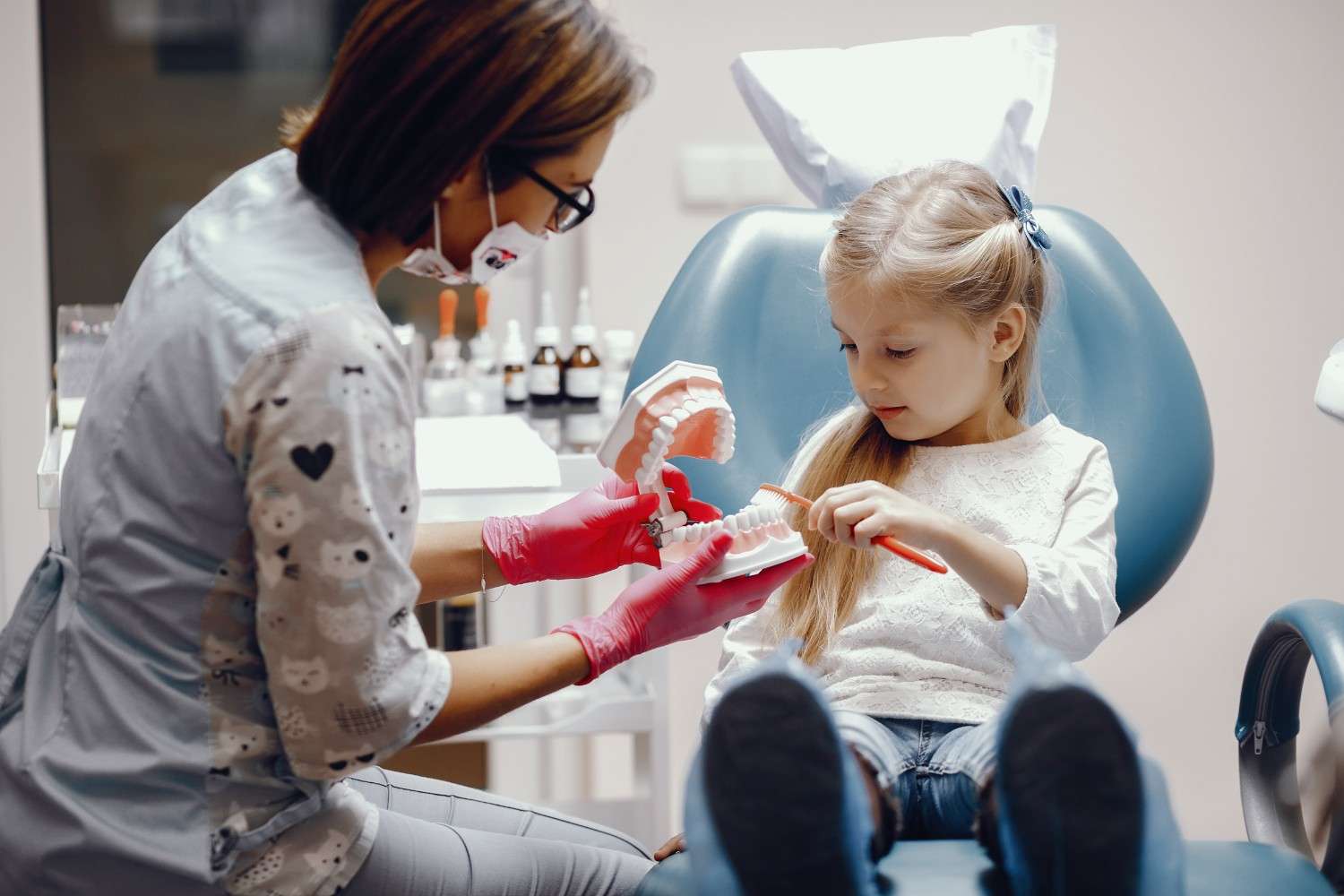
Every parent knows the scene. The car ride goes fine, the waiting room goes fine, and then the moment the dental chair comes into view, everything falls apart. Kids’ dentistry doesn’t have to end in tears every time. Most dental anxiety in children comes down to the same handful of triggers, and most of it responds well to a little preparation before you ever walk through the door.
Why Kids Get Scared in the First Place
It rarely has anything to do with actual pain. Unfamiliar tools, a stranger looking closely at their mouth, the sound of equipment, or simply not knowing what happens next are usually enough to trigger a strong reaction in a young child. Kids who have had one uncomfortable visit, even a mildly awkward one, often carry that memory into every appointment afterward. None of this means your child is being difficult. It means their nervous system is doing exactly what it’s designed to do around the unfamiliar.
Start the Conversation the Right Way
How you talk about the visit beforehand matters more than almost anything else. Keep the language simple and neutral: the dentist is going to count their teeth and help keep their smile strong. Skip words like “hurt,” “shot,” “drill,” or “pain” entirely, even if you’re trying to reassure them that those things won’t happen. Young children latch onto the scary word, not the reassurance around it. If you have your own dental anxiety, this is the one moment to keep it to yourself. Kids are remarkably good at picking up on a parent’s nerves, even when nobody says a word about it.
Practice at Home Before the Real Thing
Role-play works better than almost any other preparation tool. Let your child “be the dentist” and count your teeth with a toothbrush, then switch roles so they experience both sides. Books and shows featuring a friendly trip to the dentist help turn an unknown experience into a familiar one before it happens. None of this needs to happen the week before. Even a few days of casual practice makes a noticeable difference.
Timing Matters More Than You’d Think
A tired, hungry child is a harder appointment no matter how well you’ve prepared. Morning slots, before nap time and before energy dips, tend to go more smoothly for younger children. If your child’s appointment happens to fall later in the day, a light snack beforehand and a well-rested night’s sleep still go a long way.
What to Bring With You
A familiar comfort item, whether that’s a stuffed animal, a small blanket, or a favourite toy, gives your child something to hold onto in an unfamiliar room. Some clinics allow kids to bring headphones for music or a show during treatment, which is worth asking about ahead of time if your child responds well to distraction.
During the Appointment Itself
Good pediatric care usually follows a simple pattern: explain, show, then do. The dental team describes what they’re about to do in child-friendly language, shows the tool or step first, and only then proceeds. This kind of pacing reduces surprises, which is where most fear actually comes from. Staying close by for emotional support, keeping your own reactions calm even if your child gets upset, and letting the dental team guide the pacing all help more than trying to manage the moment yourself.
After the Visit: Don’t Skip This Part
However the appointment went, praising the parts that went well rather than dwelling on what didn’t. A sticker, a small reward, or simply telling your child how brave they were helps build a positive association for the next visit. Kids who cried through their first appointment often do noticeably better at their second and third once they realize nothing bad actually happened.
When Extra Support Makes Sense
Occasional nervousness is normal and manageable with the approach above. Persistent, severe anxiety that disrupts every visit despite preparation is a different situation, and it’s worth a direct conversation with your dentist about it rather than pushing through appointment after appointment. Some clinics offer mild sedation options specifically for children who need extra support during treatment, which can turn a repeatedly difficult visit into a manageable one.
Finding the Right Fit for Kids Dentistry
Not every clinic handles anxious kids the same way, and that’s worth factoring into where you book. A pediatric dentist in Millwoods who takes time on the phone to explain how they handle a nervous child is usually a good sign of what the actual visit will look like. If you’re searching for a dentist near me for your kids, ask directly how the team manages a child who becomes upset mid-appointment. Their answer tells you far more than any website will.
Ready to book your child’s next visit? Call (780)-463-0555 or book online. We’re happy to walk you through what to expect before the appointment, not just during it.
Frequently Asked Questions
Most guidance recommends a first visit within six months of the first tooth appearing, or by around age one. Starting early helps children build familiarity with the clinic before any treatment is ever needed, which reduces anxiety significantly down the road.
Not necessarily. A difficult first or second visit is common and doesn’t predict how future appointments will go, especially once a child becomes familiar with the environment and team. What matters more is how the next visit is prepared for.
For younger children, staying close by for emotional support generally helps. As kids get older and more comfortable, some dental teams find that a bit of independence actually reduces anxiety rather than increasing it. Ask your dentist what they recommend based on your child’s age and temperament.
Yes, and this is a common and effective approach for particularly nervous children. A brief, low-pressure visit focused purely on getting comfortable in the chair can make the actual cleaning appointment far less stressful.
Avoid words like “hurt,” “pain,” “shot,” or “drill,” even in a reassuring sentence. Children tend to focus on the scary word itself rather than the calming context around it. Simple, neutral language works best.
It can, particularly if visits are avoided altogether due to fear, which often allows small problems to become bigger ones. Addressing anxiety early with a patient, gentle approach tends to build a much healthier long-term relationship with dental care.
Yes, always mention it. Knowing your child’s history helps the team adjust their pacing and approach from the very first moment, rather than discovering the anxiety partway through the appointment.
Related Articles
- Pediatric Dental Care: What Parents in Millwoods Need to Know
- How Often Should Kids See a Dentist? A Parent’s Guide to Children’s Dental Care in Millwoods
- What to Expect at First Dentist Appointment
- Sedation Dentistry: What Anxious Patients at Millwoods Actually Need to Know
The Canadian Dental Association recommends a child’s first dental visit take place within six months of their first tooth appearing. Parents can confirm a dentist’s licensing status in Alberta through the Alberta Dental Association.
Call (780)-463-0555 to schedule your child’s visit.