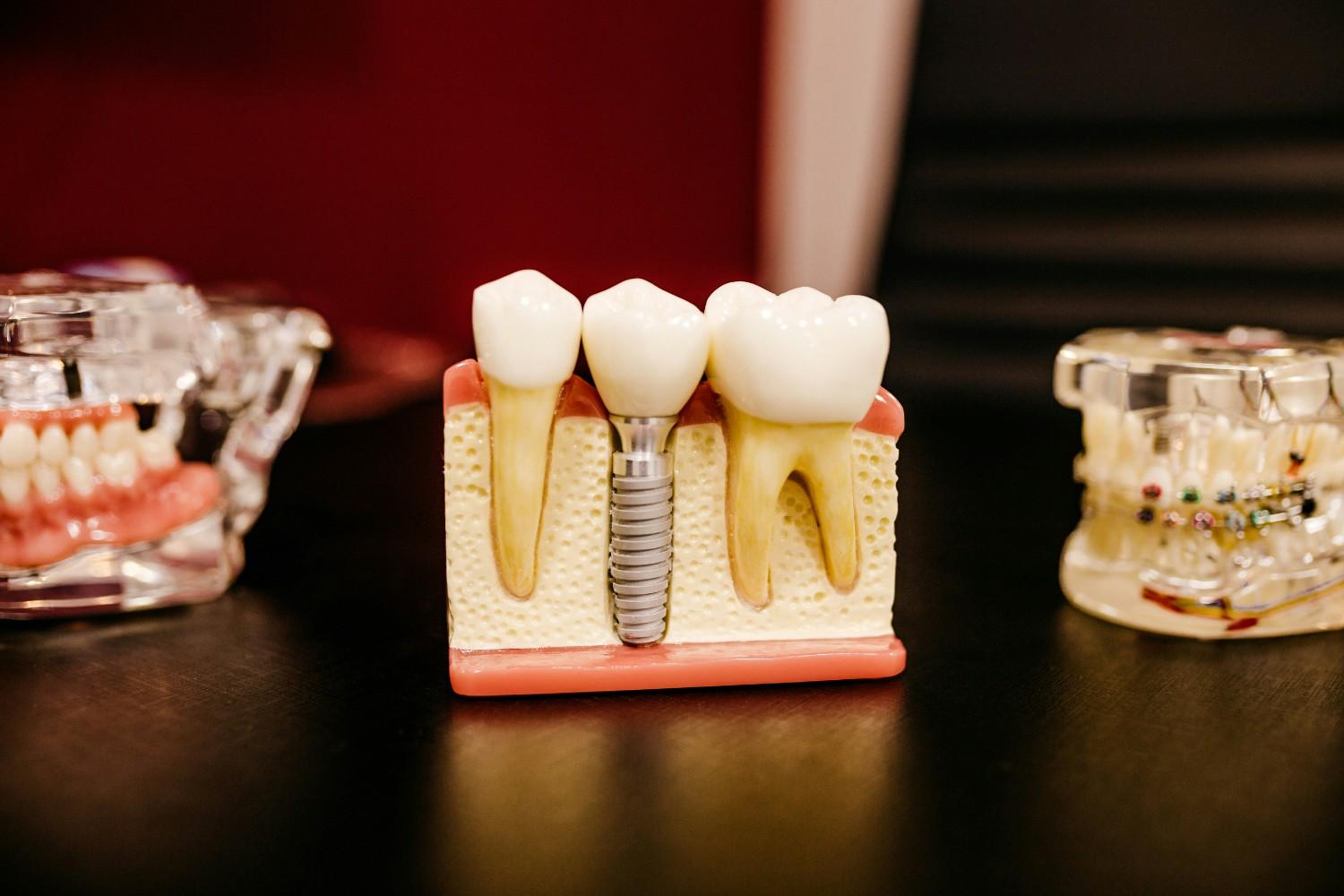
Say the words “root canal” out loud and watch most people flinch. That reaction is almost never based on personal experience. It’s based on a decades-old reputation the procedure hasn’t deserved for a long time. That reputation has real consequences too, since patients who delay treatment out of fear often end up with a more serious problem than the one they started with.
Here is what’s actually true, myth by myth.
Myth 1: Root Canals Are Extremely Painful
This is the myth doing the most damage. Modern root canal treatment is performed under local anaesthetic, the same way a filling is. Patients typically describe the sensation as pressure, not pain. The pain that people associate with root canals almost always comes from the infection itself, the thing the procedure is actually there to fix. Once the infected tissue is removed, most patients feel noticeably better within a day or two, not worse.
Myth 2: It’s Easier and Cheaper to Just Pull the Tooth
Extraction can look simpler on paper. It rarely is, once you factor in what comes next. A missing tooth changes how you chew, can shift neighbouring teeth out of position, and leads to bone loss in the jaw over time because the bone depends on the tooth root for stimulation. Replacing that gap later with an implant or bridge often costs more overall than the root canal would have. A tooth extraction is sometimes genuinely the right call, but “easier” and “better long-term” are not the same thing.
Myth 3: You’ll Need Several Days Off to Recover
Most patients are back to normal activity the same day. There is no surgical wound, no stitches, and no lengthy healing window. Some tenderness around the tooth for two to four days is normal, and over-the-counter pain relief usually covers it completely. Compare that to the downtime associated with a surgical extraction and replacement, and the recovery gap tips firmly in the root canal’s favour.
Myth 4: A Root Canal Means the Tooth Will Fail Anyway
Root canal treatment in millwoods has a strong long-term success rate when the tooth is properly restored afterward, typically with a crown. Failures do happen occasionally, usually from a missed canal, a new crack, or reinfection years later. That is the exception, not the pattern. Framing every root canal as a tooth on borrowed time isn’t supported by how often these procedures actually hold up over decades.
Myth 5: Root Canals Cause Illness Elsewhere in the Body
This particular myth traces back to research from the early 1900s that has since been thoroughly discredited by modern dentistry and medicine. No credible current evidence links a properly performed root canal to disease elsewhere in the body. Leaving an infected tooth untreated, on the other hand, does carry a real risk of the infection spreading beyond the tooth itself.
Myth 6: You Only Need a Root Canal If You’re in Pain
Some infections progress quietly. A tooth can lose its nerve function without much discomfort at all, especially if the infection has been building slowly. Discolouration, mild sensitivity to temperature, or a small bump on the gum near a tooth can all signal a problem before pain ever shows up. This is one of several reasons regular checkups matter even when nothing feels wrong.
The Real Root Canal Recovery Experience
Once the anaesthetic wears off, mild soreness is the most common sensation, similar to what you’d feel after a deep filling. Chewing on the opposite side of your mouth for a few days protects the tooth until a permanent crown is placed. Most people return to work, school, or normal routines immediately, since local anaesthetic doesn’t impair driving or daily function. Swelling that increases rather than fades, or pain that sharpens instead of settling, is the exception rather than the rule and is worth a call to your dentist rather than waiting it out.
Millwoods Dentistry: Straight Answers, No Scare Tactics
Every root canal procedure we perform starts with a genuinely honest conversation about what your specific tooth needs, not a generic script. Digital X-rays let us show you exactly what’s happening inside the tooth before recommending anything, and we explain what to expect at each step so there are no surprises once treatment begins. If a tooth truly cannot be saved, we’ll tell you that too, rather than pushing treatment that won’t hold up.
Dreading a root canal you’ve been putting off? Call (780)-463-0555 or book online. A short conversation usually clears up more fear than any amount of googling.
Frequently Asked Questions
Cost depends on which tooth is involved, since molars with multiple canals typically take longer and cost more to treat than front teeth. Rather than quoting a number that may not reflect your case, we provide a written estimate after your exam so there are no surprises before treatment begins.
Most appointments run sixty to ninety minutes, with the full treatment usually completed in one to two visits depending on the tooth and how much infection is present.
Mild soreness for a few days is normal and generally responds well to ibuprofen or whatever pain relief dentist near you recommends. Throbbing that worsens rather than fades, especially alongside swelling or fever, is not typical and warrants a same-day call rather than waiting it out.
Most of that reputation comes from decades-old memories of dental technology that has since improved significantly, along with the natural tendency to associate the procedure with the pain of the infection itself rather than the treatment. Local anaesthetic and modern instruments have changed the actual experience considerably.
Some tenderness while chewing is common for a week or two as the surrounding tissue settles, especially if there was significant infection beforehand. Sharp or worsening pain well after the procedure is different and should be checked rather than assumed to be normal.
Yes. For patients whose anxiety goes beyond typical nervousness, sedation options can make the entire appointment far more comfortable. This is worth mentioning when you book so the visit can be planned around it.
Persistent sensitivity to hot or cold that lingers well after the trigger is removed, pain when chewing or biting down, and visible swelling near a tooth are common signs. An exam and X-ray are the only reliable way to confirm what’s actually happening, since several dental issues share similar symptoms.
Almost always, yes. Untreated infection tends to spread rather than resolve on its own, which can turn a tooth that was easily saved into one that eventually requires extraction. If cost or fear is the reason for delaying, it’s worth raising directly with your dentist rather than avoiding the appointment altogether.
Related Articles
- Root Canal Treatment Explained: What to Expect Before, During, and After
- Is It a Dental Emergency? Signs You Shouldn’t Ignore
- What Is a Dental Crown and When Do You Need One?
- 5 Tips for Maintaining a Healthy Smile
The Canadian Dental Association notes that saving a natural tooth through endodontic treatment remains preferable to extraction whenever the tooth is restorable. To confirm a dentist’s licensing status in the province, visit the Alberta Dental Association.
Call (780)-463-0555 to book your consultation.
One reply on “Root Canal Myths That Keep People From Getting Treatment They Need”
[…] saving if the infection allows for it. This is the same underlying logic covered in our guide on root canal myths in adults, just applied to a smaller, developing set of teeth. If it’s an adult tooth in question […]